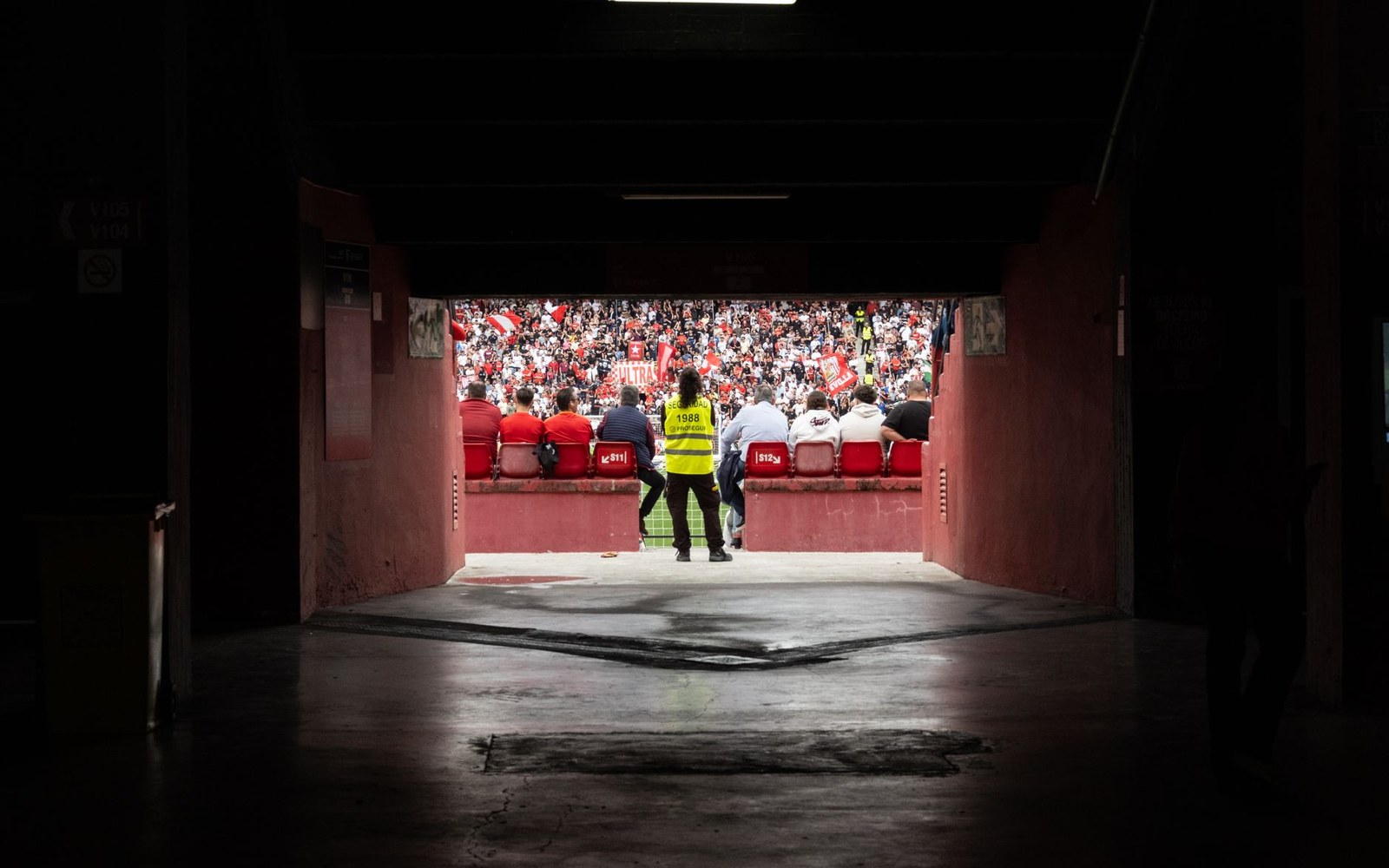
The series gave American sports culture one of its most-travelled phrases — and then watched it escape the fiction entirely.
From Script to Sideline
Jason Katims's writing staff put the line in Eric Taylor's mouth as a pre-game ritual: "Clear eyes, full hearts, can't lose." Kyle Chandler delivered it with the flat conviction of a man who had said it ten thousand times before anyone was watching. The phrase first appeared in the pilot, establishing the Taylors' Dillon as a place where conviction was currency, and it returned as a closing incantation across all five seasons — rarely varied, never explained.
Its staying power had everything to do with compression. Three clauses, no subordination, no hedging. The line asks for clarity of purpose, emotional commitment, and confidence in that order, which is roughly the order in which a team might lose each of them under pressure. As a piece of writing, it works because it could be wrong — "can't lose" is demonstrably false, and the show knew it, letting the phrase survive defeats without irony.
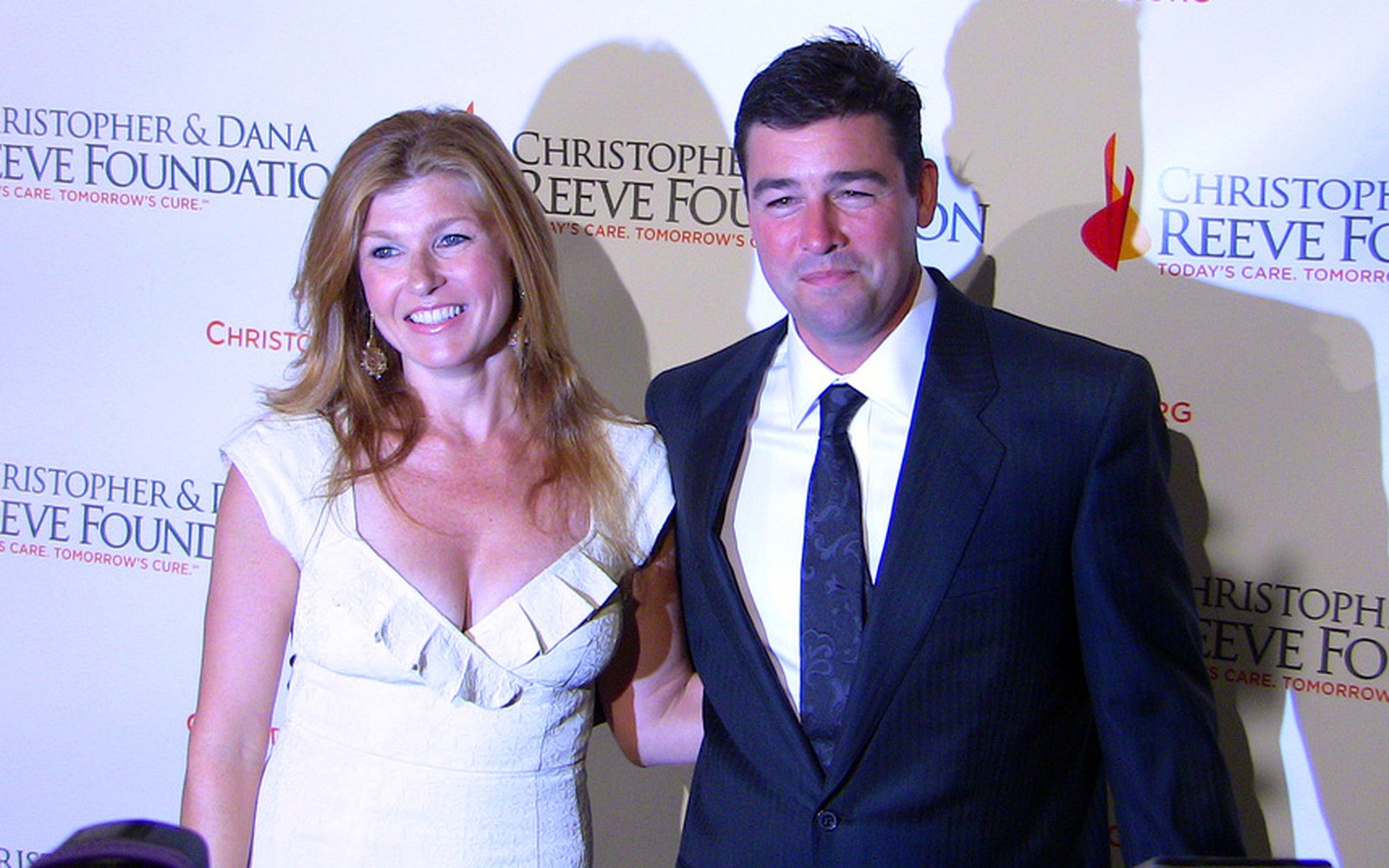

Chandler and Britton played the Taylors for five seasons. NBC carried the series first under the split-window arrangement; DirecTV paid for the rest.
Photo: Connie Britton and Kyle Chandler crop · Wikimedia Commons · Photo: NBC Tower - Exterior 9 · Wikimedia CommonsOutside the Show
The phrase moved beyond the series faster than most television coinages manage. It appeared on merchandise, banners, and locker-room walls in real schools, stripped of the Dillon, Texas, context that had given it dramatic weight. Coaches who had never watched the series were reportedly using it by the show's third season. Politicians, motivational speakers, and at least one presidential campaign adopted it — Romney's 2012 run borrowed it conspicuously enough to draw a public objection from Peter Berg, who asked the campaign to stop.
The phrase's cultural migration is, in a compressed form, the same story the series told across seventy-six episodes: a community invests meaning in a ritual, the ritual outlasts the circumstances that produced it, and people argue about who owns it. That the argument happened in public, over a fictional coach's locker-room speech, confirmed what Friday Night Lights had always proposed — that the feeling is real even when the town is not.