
How a split-window arrangement between DirecTV and NBC saved the series when the ratings math stopped working
By the end of Friday Night Lights' second season on NBC, the numbers were unambiguous. The show had built a devoted critical audience but had never delivered the household ratings that a broadcast network requires to justify a full production budget. The conventional response would have been cancellation. Instead, NBC and DirecTV engineered a co-production arrangement that had no real precedent in American television — one that kept the series alive for three additional seasons and produced what many critics consider the finest run of the show's entire five-year life.
The structure of the deal
The arrangement, first reported when it was confirmed in 2008, worked on a simple split-window principle: DirecTV would pay a substantial share of each season's production costs in exchange for the right to air new episodes first, exclusively, on its 101 Network. NBC would then broadcast those same episodes later in the same season, after the DirecTV exclusivity window had closed. Both parties acquired something they could not have obtained alone. DirecTV, still building its original-content profile, secured a critically acclaimed drama with an established audience. NBC retained a show that its own ratings could no longer fund, avoided the reputational cost of cancelling a series that press and industry peers treated as a cultural benchmark, and paid a reduced share of the production bill.
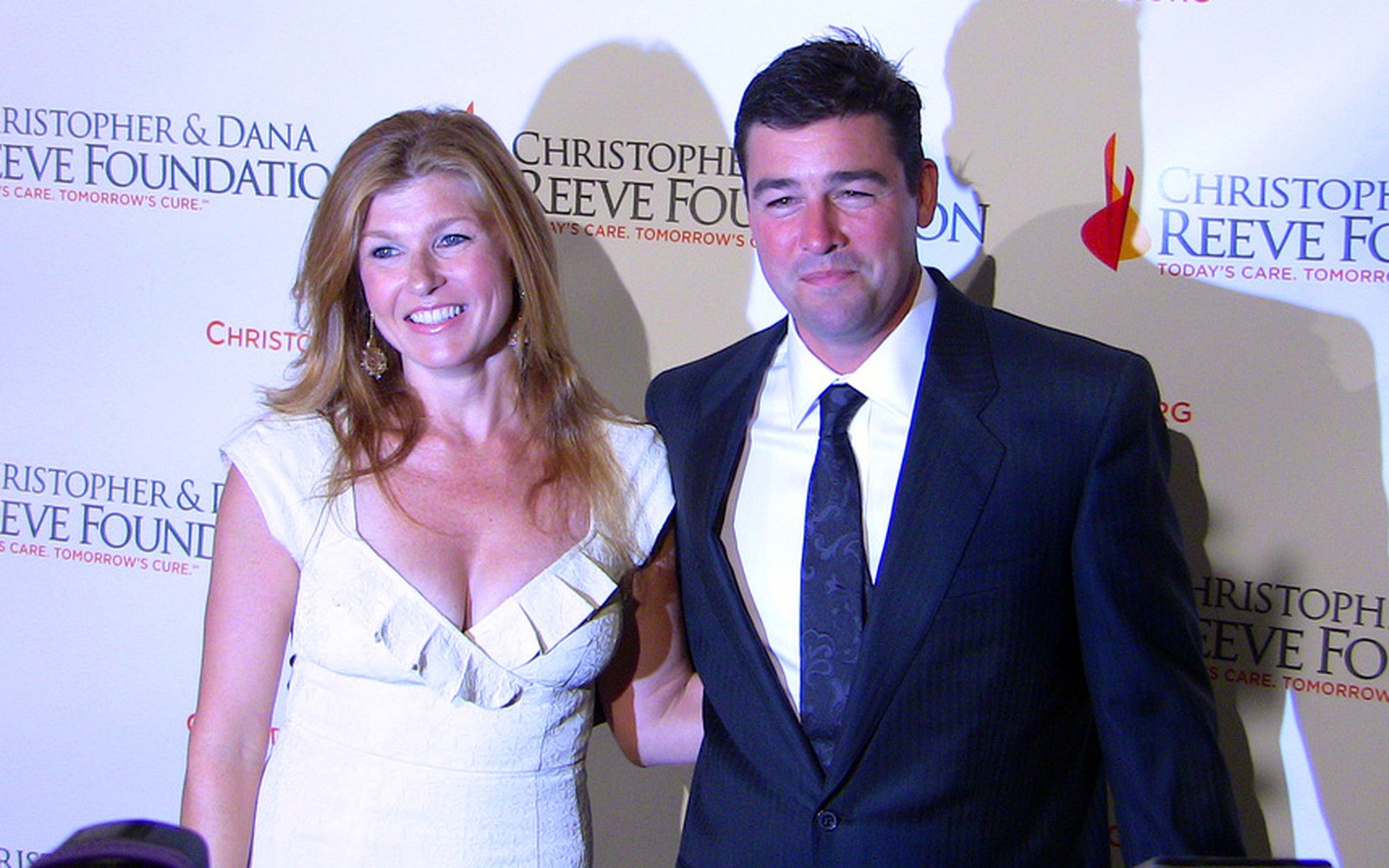

Chandler and Britton played the Taylors for five seasons. Three cameras ran loose on set and the dialogue was partly improvised.
Photo: Connie Britton and Kyle Chandler crop · Wikimedia Commons · Photo: cottonbro studio / PexelsThe deal covered Seasons 3, 4, and 5 — thirty-nine episodes in total. Production remained in and around Austin, Texas, with the Pflugerville-area locations standing in for the fictional town of Dillon, Texas. The budget structure that resulted was leaner than a fully network-funded drama of that era, which shaped creative decisions as much as it preserved them.
What Katims said about writing inside the structure
Jason Katims, who functioned as the series' showrunner and held primary creative authority across all five seasons, has spoken in interviews about what the financial structure meant for the writers' room. A reduced episode order — thirteen episodes per season rather than the broadcast standard of twenty-two — forced compression that the writers came to regard as an advantage. Stories had to move. Characters could not be held in stasis across a mid-season stretch while the network waited for sweeps. The shortened order also allowed for the complete recasting of the supporting ensemble between Seasons 2 and 3, retiring the Smash Williams and Jason Street storylines and introducing Tim Riggins's final year and the East Dillon Lions arc. That pivot, structurally impossible in a full twenty-two-episode season on a conventional network renewal, became the creative hinge on which the series' best material turned.
Katims has also noted that the DirecTV arrangement came with an unusual degree of creative latitude — partly because the satellite broadcaster's primary interest was in subscriber acquisition and retention rather than in the specific content decisions that a broadcast network would scrutinize. Kyle Chandler and Connie Britton, whose performances as Eric and Tami Taylor anchored every season, worked within a production environment that, by the standards of American network drama, was notably improvisational in method — an approach that the budget-conscious structure may have reinforced.
The precedent
The Friday Night Lights split-window deal arrived before streaming services had established the model of premium cable and subscription-funded drama that now dominates the industry. At the time it was signed, the idea of a satellite provider co-producing a broadcast network series and holding a first-run window was genuinely novel. Trade coverage at the time treated it as an experiment whose outcome was uncertain; the outcome was that the series ran to a planned conclusion in 2011, with its final season on NBC completing a network run of five seasons and seventy-six episodes. The arrangement is now routinely cited in discussions of how television financing evolved in the years before Netflix altered the baseline assumptions entirely. It demonstrated that a show too small for a broadcast network's economics could still be too good — in critical and subscriber-attraction terms — to abandon, provided a second party existed with different incentives and a complementary need. Dillon survived because two companies each wanted something the other controlled.