How Dillon Was Shot: Handheld, Improvised, Austin
The series built its look from the ground up — and pointed the camera the opposite direction from Hollywood
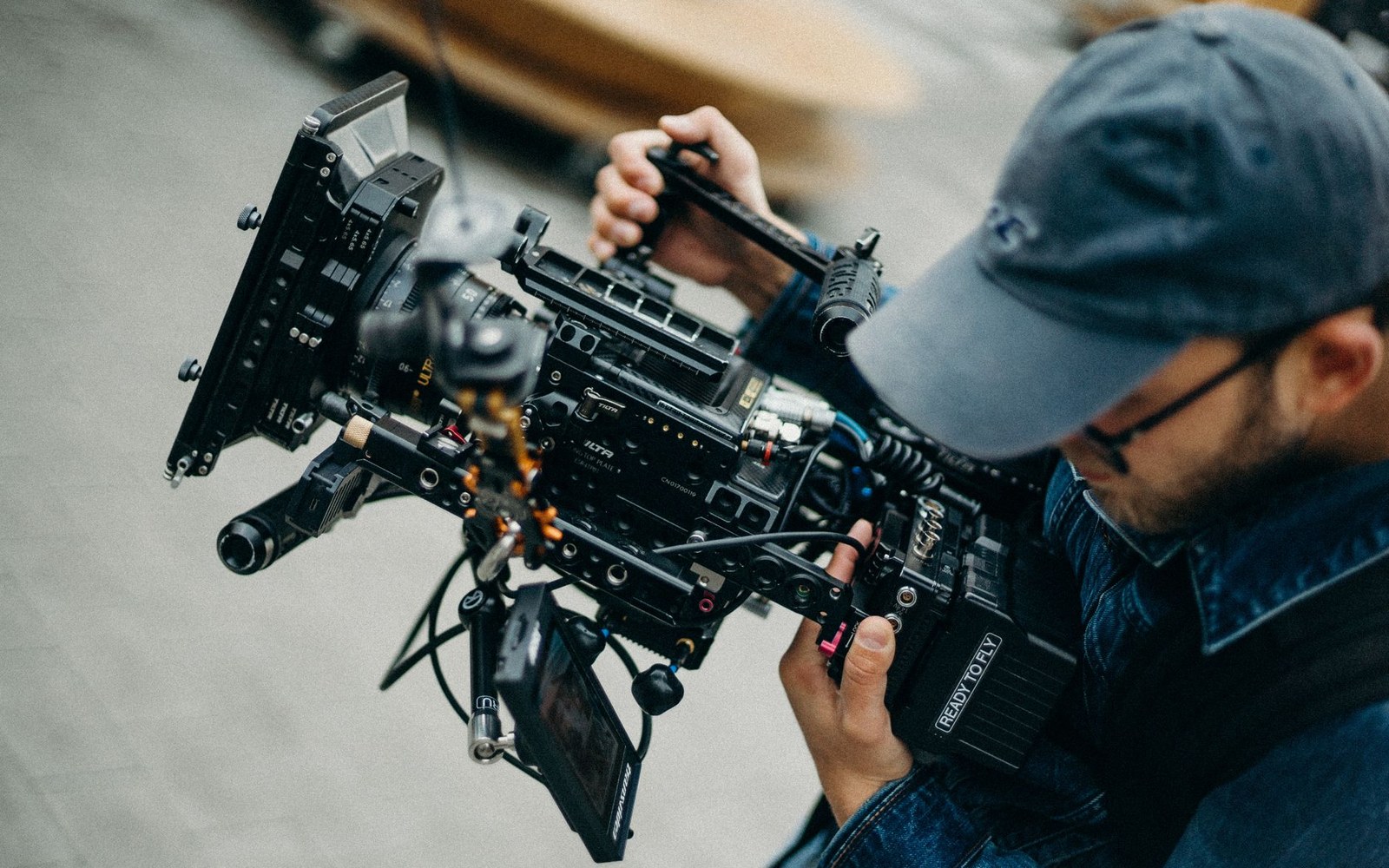
The Friday Night Lights television series inherited its name and its mythology from Peter Berg's 2004 film, but its visual identity was constructed almost entirely apart from it. Where the film reached for scope — Ratliff Stadium's lights blazing over a West Texas sky — the series pulled in close and stayed there. The instrument of that intimacy was the handheld camera, deployed not as an occasional stylistic gesture but as the governing principle of nearly every scene.
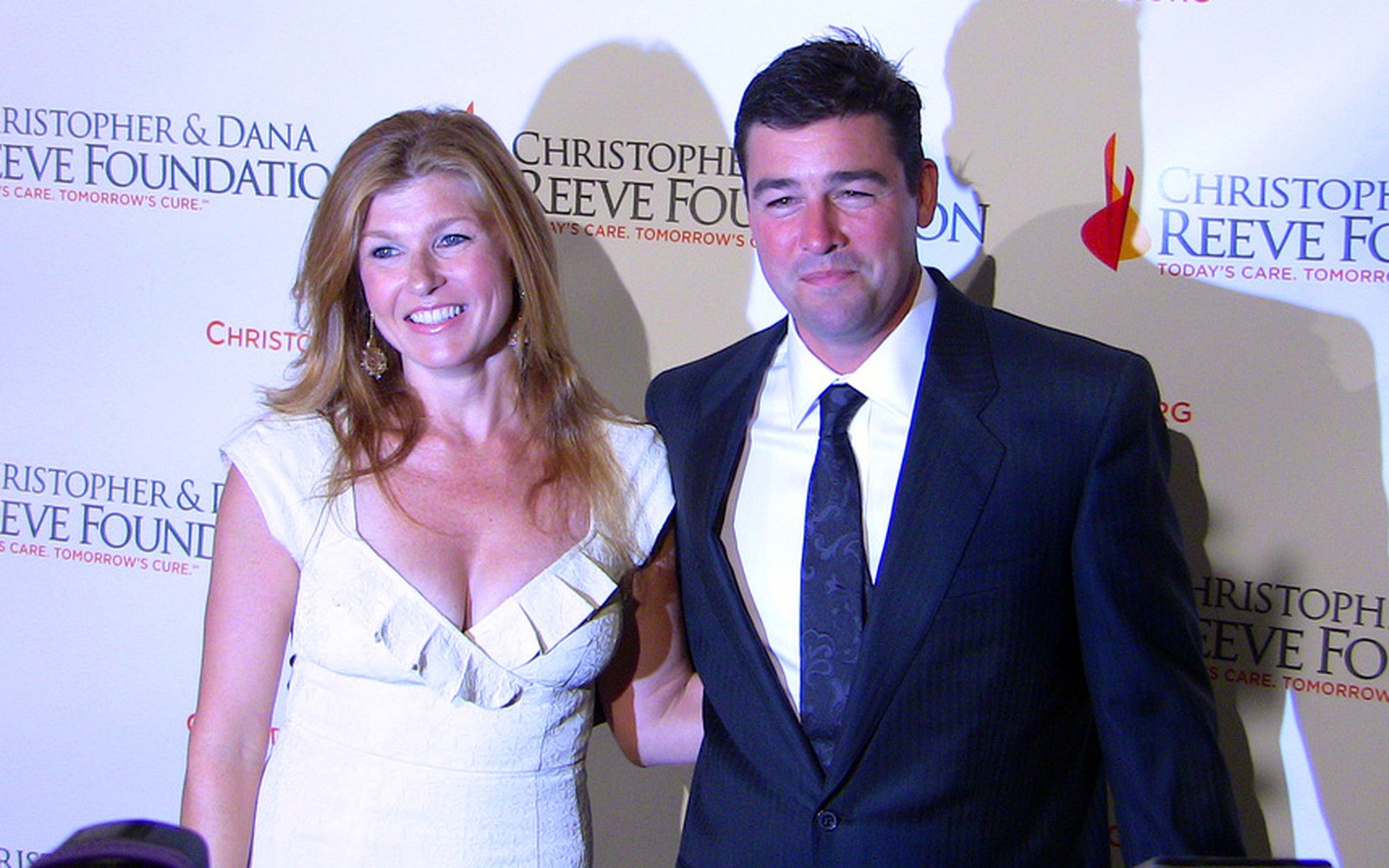
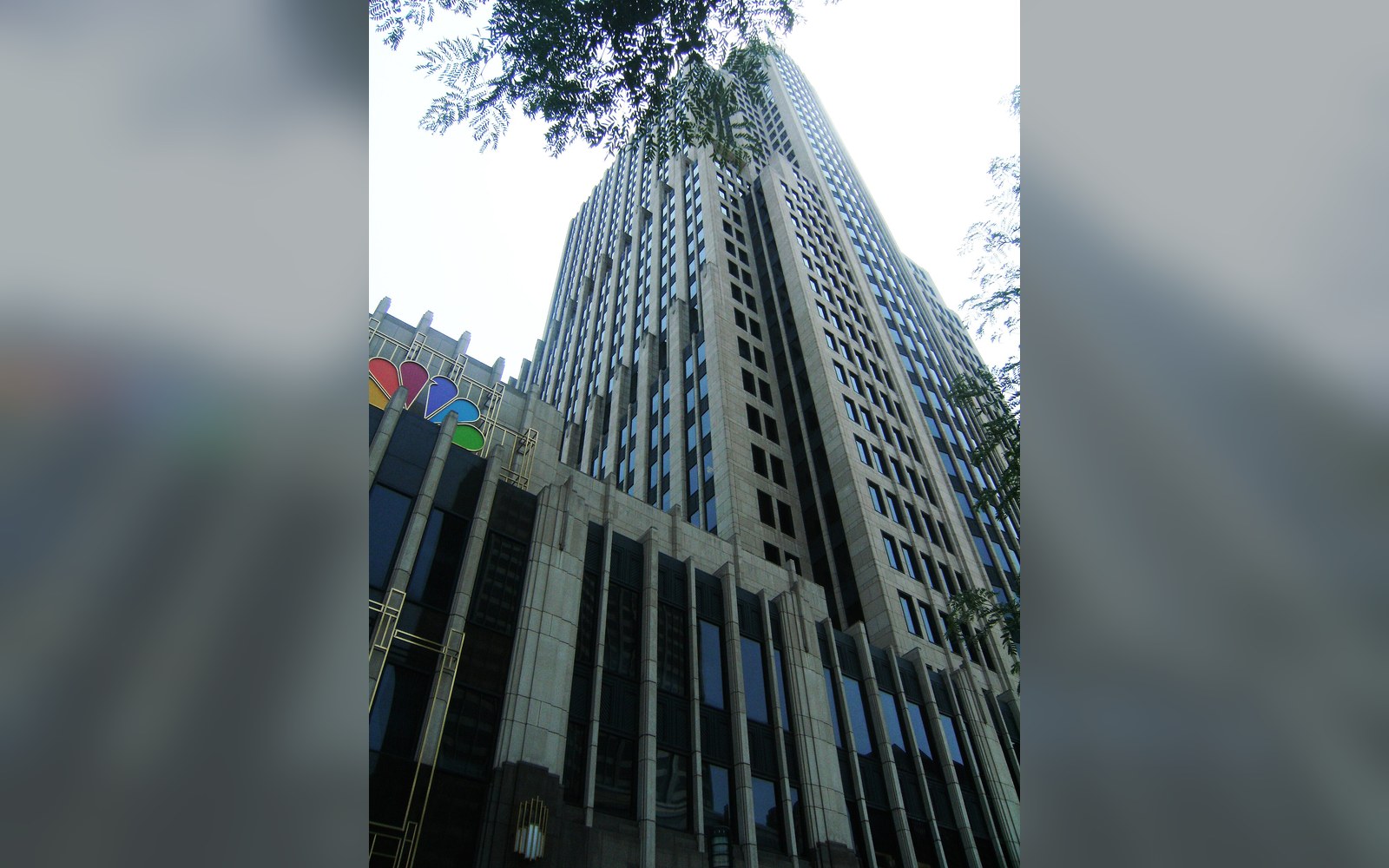
Chandler and Britton played the Taylors for five seasons. NBC carried the series first under the split-window arrangement; DirecTV paid for the rest.
Photo: Connie Britton and Kyle Chandler crop · Wikimedia Commons · Photo: NBC Tower - Exterior 9 · Wikimedia CommonsJason Katims, who served as showrunner across all five seasons, built the production approach in collaboration with his rotating directors around a commitment to spontaneity. Actors were given scripts but were free — and at times actively encouraged — to depart from exact wording, allowing scenes to find their own rhythm. Kyle Chandler and Connie Britton, whose performances as Eric and Tami Taylor anchored the show's domestic life, became particularly skilled at the overlapping, interrupted cadence this method produced. The camera operators, holding their equipment rather than locking it to a mount, followed rather than choreographed the action. The resulting footage carried a documentary texture, the frame sometimes catching an expression the blocking would never have planned.
The geography of Dillon, Texas — the show's fictional West Texas town — was built almost entirely from two real Central Texas locations. Austin provided the urban infrastructure: its streets, storefronts, and interiors doubled for civic and domestic space throughout the run. Pflugerville, a suburb northeast of Austin, supplied the high-school settings. Pflugerville High School stood in for Dillon High, its fieldhouse corridors and locker rooms appearing in hundreds of scenes. The decision to base production in Austin rather than West Texas was logistical as much as aesthetic, but it gave the series a greener, less austere palette than the Permian Basin would have permitted, a fact that viewers who had seen Berg's sun-bleached location photography could register immediately.
That gap was intentional. The series was not attempting to be a document of Odessa. It was using football as a pressure system within which ordinary lives could be examined — marriage, race, injury, class — and the handheld grammar communicated that priority at the level of form. The camera wanted the face, not the field. When it did turn toward game footage, it moved through the play with the same restless, present-tense energy it brought to a kitchen argument, unifying the show's two worlds inside a single visual language.