The market that built itself around Mojo, and what it costs now
Texas high-school football has never needed persuading to put itself on television. The audience was there before the cameras were, and the economics followed. What looks, from outside the state, like a quirk of regional fandom is, in practice, a layered rights market that runs from late-August scrimmages to December UIL state championship finals — a market shaped by local affiliates, regional cable channels, and, more recently, streaming platforms willing to pay for live local sports that network television has largely abandoned.
For most of the twentieth century, the broadcast question was simple: a local television station applied to a school district, the district said yes or no, and the game aired. Rights fees in that era were negligible or nonexistent; the arrangement was understood as community service, and the station extracted value through advertising sold against a local audience that tuned in reliably. The University Interscholastic League, the state body that governs competitive eligibility and playoff structures, does not itself negotiate broadcast rights for regular-season play. Individual school districts retain that authority, which means the rights landscape is as fragmented as Texas's 1,000-plus school districts.
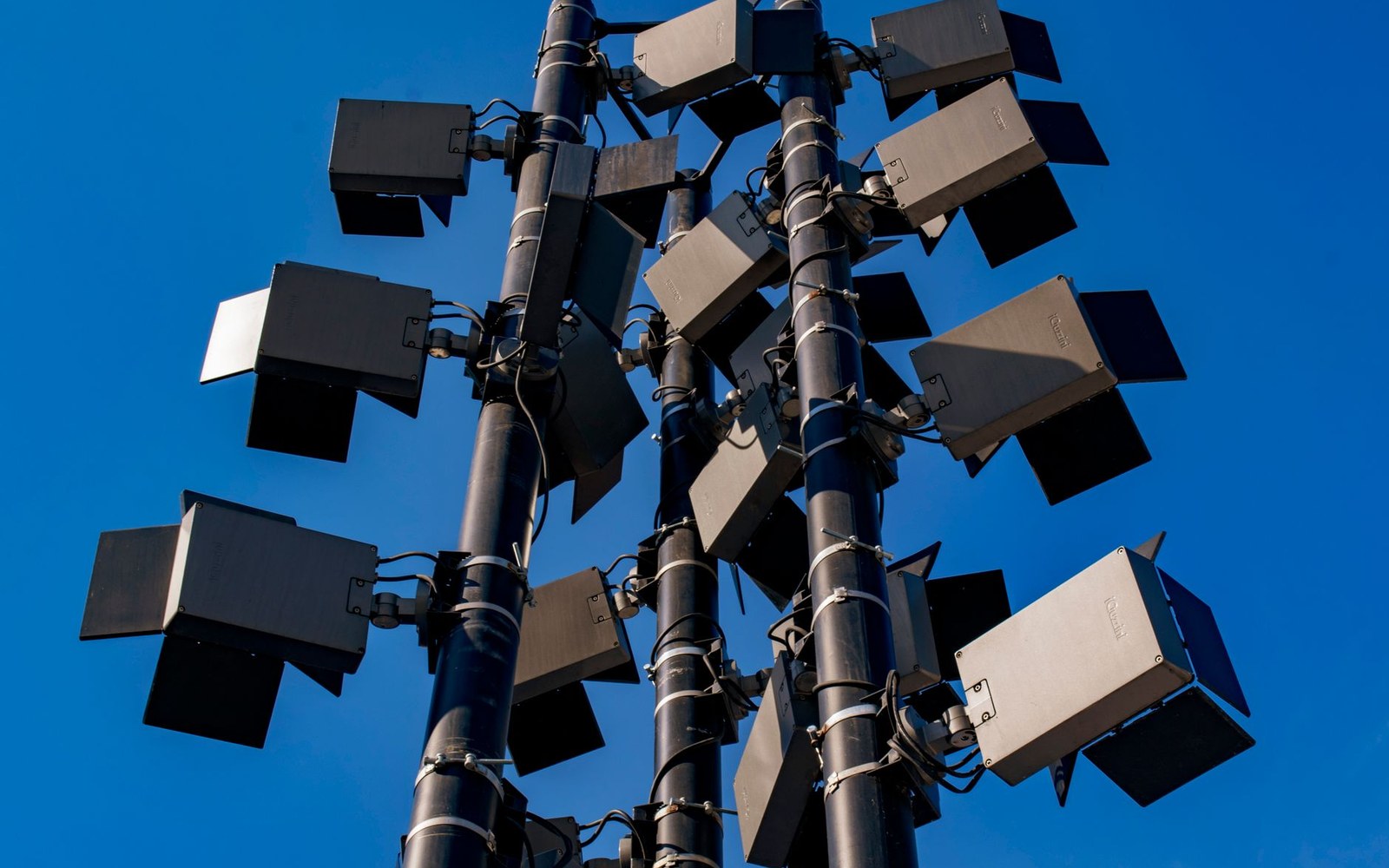
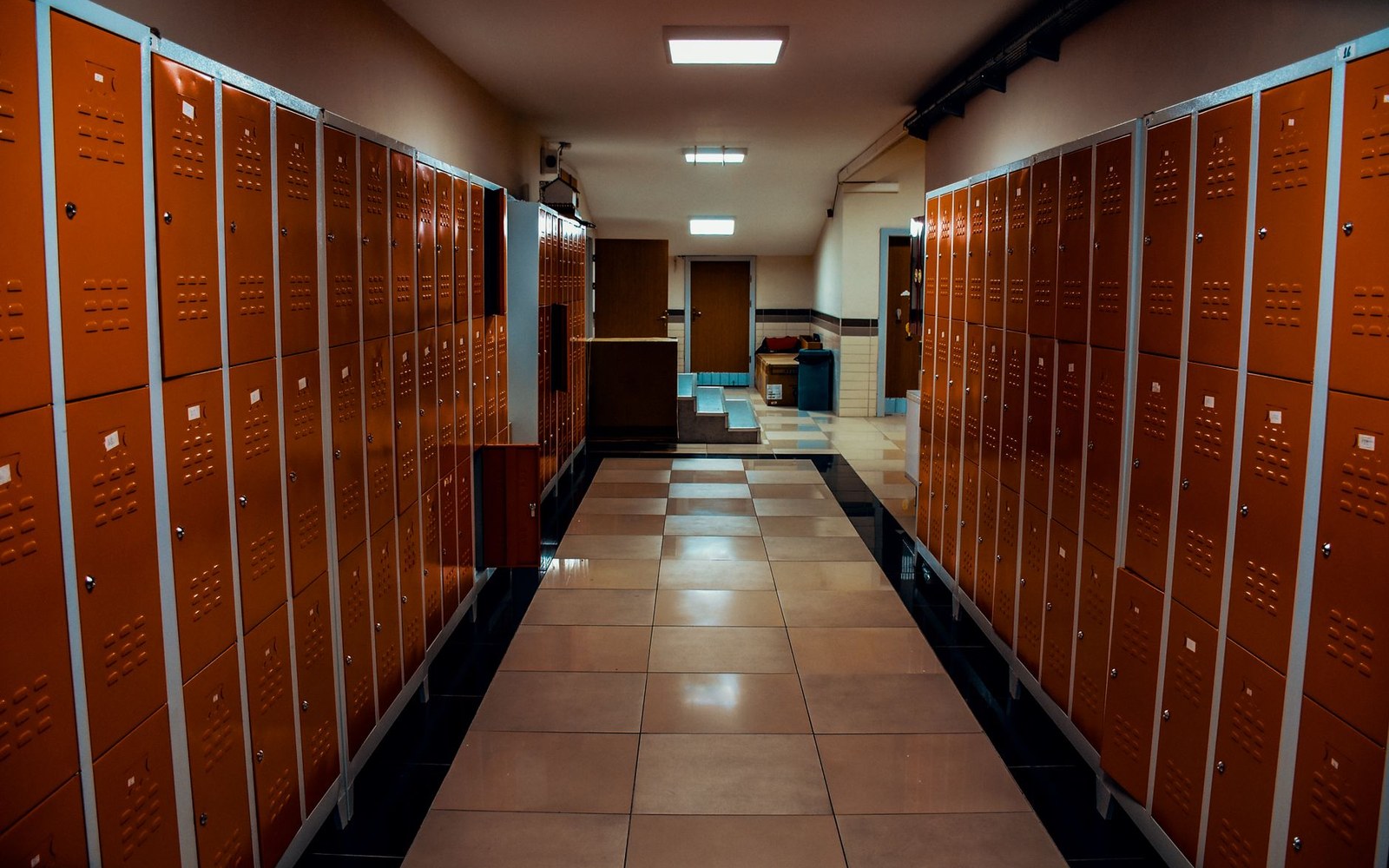
Friday lighting is district infrastructure in West Texas, maintained out of a school budget. Permian and Odessa High share the ground, which is part of why a stadium this size made sense to the people who signed for it.
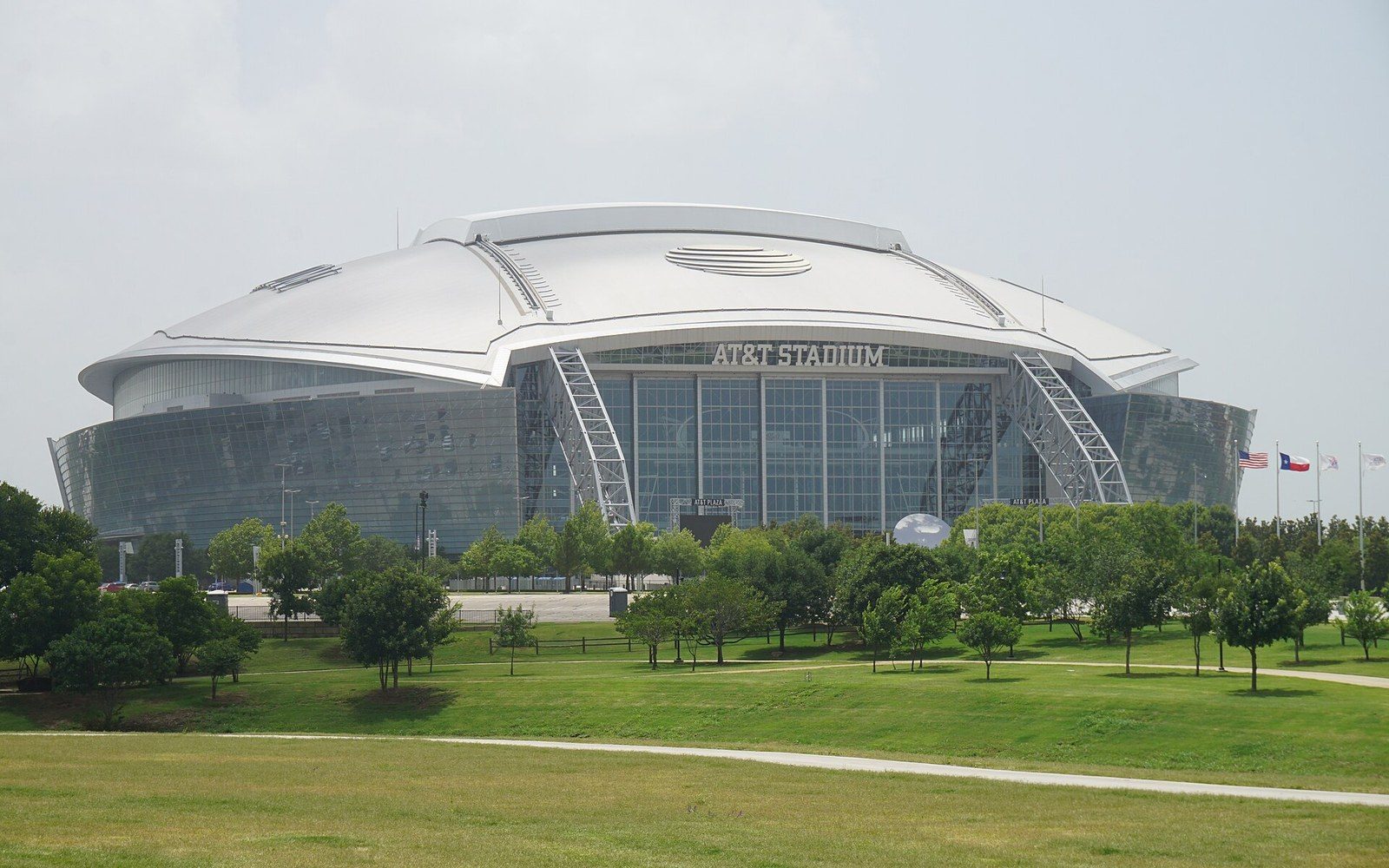
Photo: Radik 2707 / Pexels · Photo: ubeyde oral / PexelsThe UIL does control postseason broadcast rights, and those rights carry genuine market value. The UIL's agreements with Texas-based media partners have evolved considerably since the early streaming era. The UIL's official coverage of its media and broadcasting policies documents the structure under which championship games are distributed. For the playoff rounds leading to the state finals — held each December at AT&T Stadium in Arlington — the UIL has worked with regional cable and streaming partners, ensuring that games reach audiences well beyond the host community.
Regional cable was the first mechanism to give those rights real monetary weight. Fox Sports Southwest, which for years carried significant UIL playoff inventory, demonstrated that a cable rights fee for high-school football in Texas was not a charity write-off. Advertisers in oil-patch communities, in Dallas suburbs such as Allen and McKinney, and across the San Antonio and Houston markets understand that the high-school game draws households that are otherwise difficult to aggregate. The 6A stadium arms race — Allen ISD's $60 million facility in 2012, McKinney ISD's $70 million ground in 2018 — reflects the same logic: these are not marginal programs, and their broadcast audiences are not marginal either.
The streaming shift accelerated after 2018. The National Federation of State High School Associations reported a broad national trend of school districts migrating to subscription or ad-supported streaming for regular-season games, with platforms such as the NFHS Network offering districts a revenue-sharing model in place of a flat rights fee. Under that model, reported by the NFHS Network's own documentation, schools receive a portion of subscription revenue generated when their games are accessed — a structure that rewards programs with large, geographically dispersed alumni bases. Permian High School in Odessa, whose program carries the Mojo identity and whose national profile was amplified by H. G. Bissinger's 1990 book and Peter Berg's 2004 film, is precisely the kind of program that benefits from a national streaming footprint rather than a purely local cable window.
What has not changed is the underlying economics of the local advertising market. A Friday night game in Odessa or Midland sells spots against an audience that arrives pre-committed; the dropout rate between kickoff and the final whistle is low in ways that national prime-time measurement rarely achieves. For the largest 6A districts, local broadcast has become a revenue line in its own right, not a favor exchanged for community goodwill.
The UIL's playoff structure — single elimination, bracket-drawn from district champions, running through five rounds before the state final — concentrates broadcast value at the top of the bracket. A bi-district round game between two programs with regional followings draws differently than a state semifinal. Rights buyers price accordingly, and the state final at AT&T Stadium, which seats more than 80,000, has long been the premium inventory in the Texas high-school calendar.