The tier that determines everything
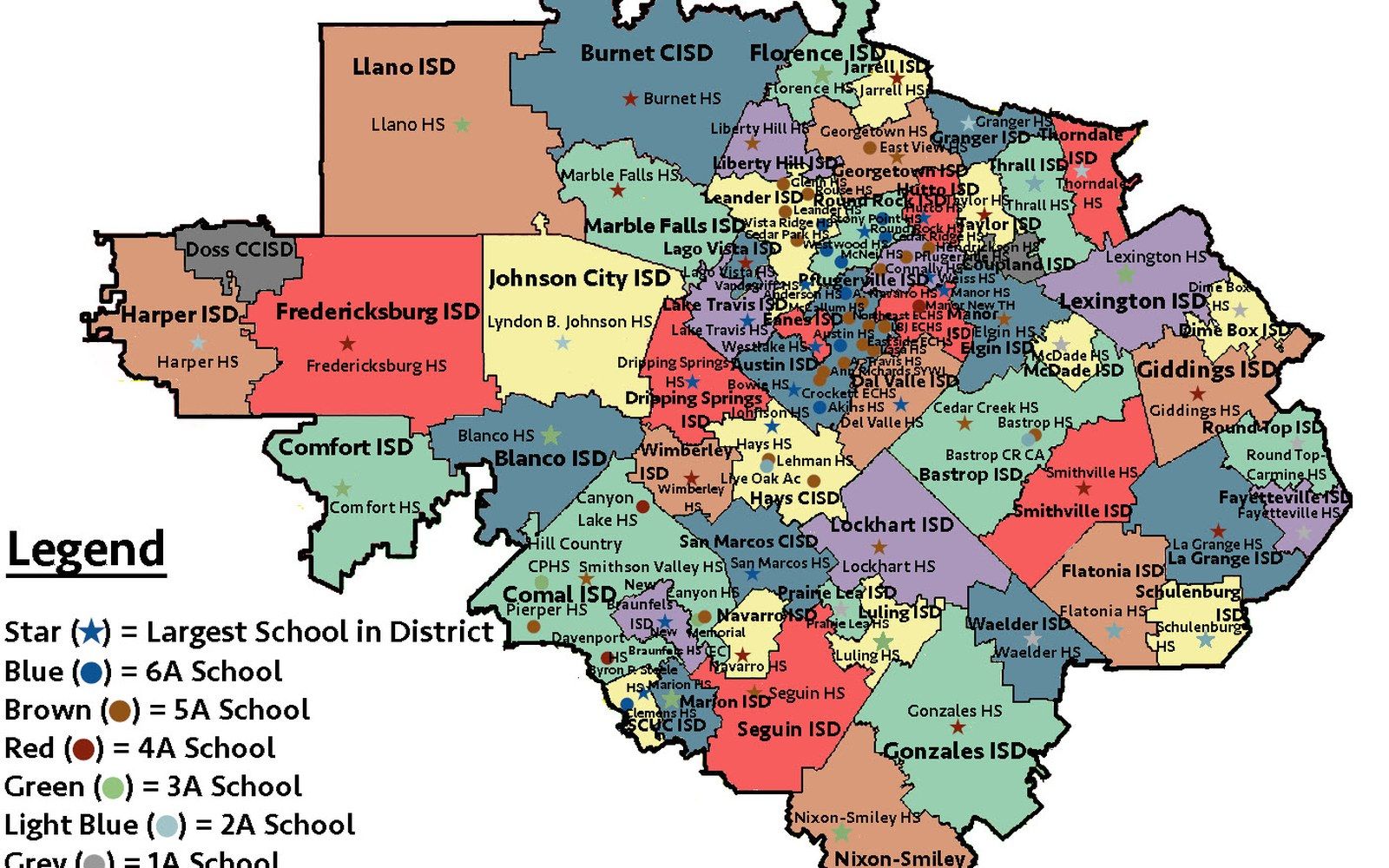
Before a single snap is played, before a coaching hire is made or a stadium bond is floated, the University Interscholastic League's enrollment-based classification system has already determined who a Texas high-school football program will face for a state title. The UIL, the state agency that governs virtually all Texas public-school athletics and academics, sorts every participating school into competitive tiers according to student enrollment — a number recalculated every two years when schools submit fresh counts. The result is a bracket of brackets: schools compete only against programs of roughly comparable size, and the championship at the top of each bracket carries the full weight of a UIL state title.
The tiers have expanded as Texas has grown. The current structure runs from 1A, covering the smallest rural programs, through 6A, covering the largest urban and suburban districts. In football, the playoffs within each classification are further split into two divisions, largely by enrollment, so that a 6A school sitting just above the classification's enrollment floor does not routinely meet one enrolling four thousand. The system is not perfect — a school near a classification boundary can find itself at a structural disadvantage for a two-year cycle — but its underlying logic is equalisation: keep the competition meaningful by keeping the enrolments comparable.

Friday lighting is district infrastructure in West Texas, maintained out of a school budget. Texas high-school football is broadcast property, bought and sold as such.
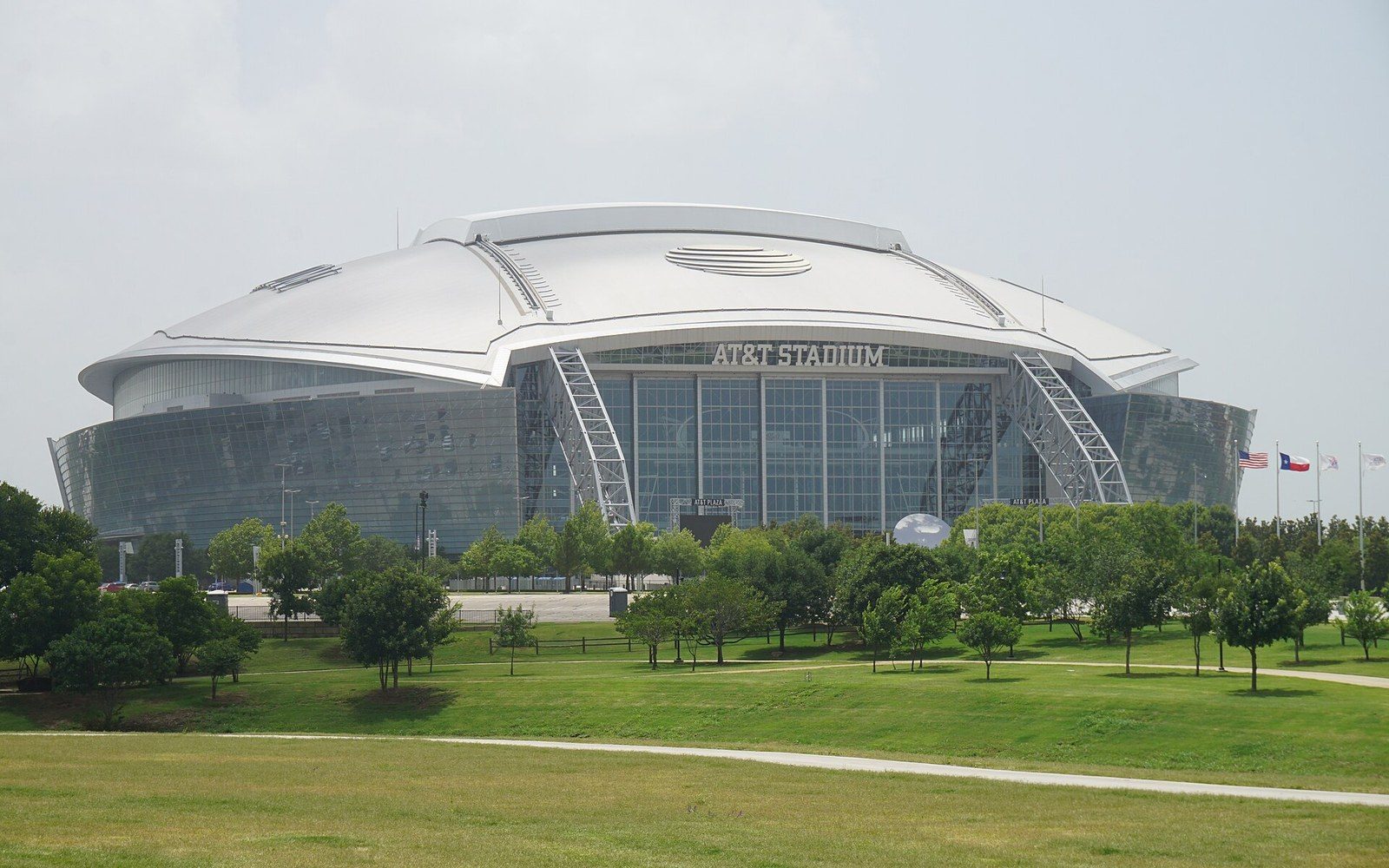
Photo: Radik 2707 / Pexels · Photo: Arlington June 2020 4 (AT&T Stadium) · Wikimedia CommonsThat logic shapes everything downstream. Facilities spending, coaching salaries, booster expectations, and recruiting-adjacent activity all scale to classification. A district that wants to compete at the top of 6A is implicitly committing to a level of investment that a 3A program is never expected to match. The 6A stadium arms race visible in Allen ISD's $60 million facility and McKinney ISD's $70 million ground is, at its root, a response to classification pressure: if your enrollment places you among the state's largest programs, your community will often feel entitled to infrastructure that reflects that standing.
Permian in the classification landscape
When H. G. Bissinger arrived in Odessa for the 1988 season that became Friday Night Lights, the Permian Panthers were competing at what the UIL then designated Class 5A — the largest classification in operation before 6A was introduced to accommodate further growth. That placement was not incidental to the book's argument. Class 5A meant Permian faced the biggest programs in Texas: Houston-area powerhouses, Dallas-area suburban schools, San Antonio programs drawing from large, economically diverse student bodies. Winning a UIL state title at that level, as Permian had done in 1965, 1972, 1980, 1984, and 1989, was not a regional achievement. It was a demonstration that a West Texas oil-patch city of roughly ninety thousand people could sustain a program capable of defeating the state's largest and best-funded opponents.
The classification also explains the intensity Bissinger documented. Odessa's oil-economy boom-and-bust cycles meant the city had limited levers for civic pride and economic confidence. The Permian program, operating at the top classification, provided a stage on which Odessa could measure itself against Texas's most populous and prosperous communities — and, repeatedly, win. The UIL's enrollment math made that comparison legitimate and gave the victories their weight.
Why the two-year cycle matters
The UIL's reclassification cycle — updated on a two-year basis using official enrollment data submitted by each district — creates a rhythm that programs plan around carefully. A school that grows rapidly can find itself bumped into a higher classification with a roster built for a lower one. A school that shrinks, as Odessa did during the oil-price collapses of the 1980s, risks reclassification downward, which carries its own complications: a program accustomed to the resources and prestige of the top tier does not easily recalibrate its identity or its budget.
That vulnerability runs beneath the surface of Bissinger's reporting. The community's ferocious investment in Permian football was not simply passion; it was, in part, a hedge against the enrollment declines that oil-driven population loss could trigger. To remain in the top classification was to remain visible, competitive, and relevant on the largest stage Texas scholastic football offered. The UIL's enrollment formula, dry and administrative on its face, was the mechanism that made all of it matter.