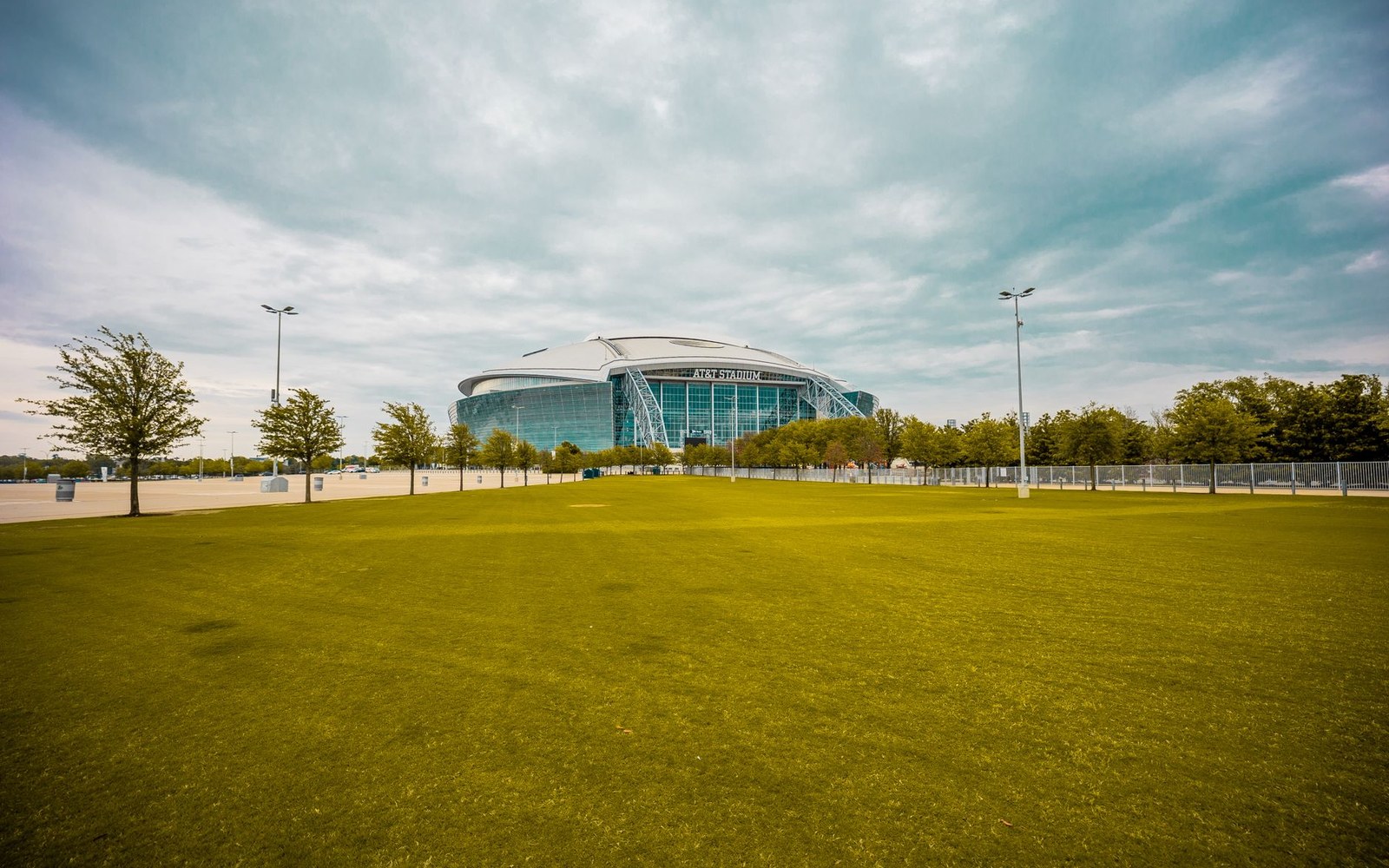
Thirty-six years of Texas school-district stadium construction, measured at the ribbon-cutting each time.
The Numbers, Stadium by Stadium
Ratliff Stadium opened in Odessa in 1982 at a reported cost of $5.6 million, funded by Ector County Independent School District and built to seat 19,302. For a West Texas oil-patch city whose economy rode the Permian Basin, the figure was a statement — the largest high-school football stadium in the world at the time of its dedication. Adjusted for construction-cost inflation, $5.6 million in 1982 dollars represents a fraction of what subsequent districts would spend, but the absolute figure is what the record shows at opening.
Thirty years later, Allen ISD opened Eagle Stadium in Allen, Texas, in 2012. Reported construction cost at opening was $60 million, making it the most expensive high-school football facility in the United States at that moment. Capacity was listed at approximately 18,000, slightly below Ratliff's headline number despite the massively higher cost — the budget had been directed toward suites, press infrastructure, and architectural finish rather than raw seat count. The University Interscholastic League's enrollment-based classification system placed Allen in the 6A tier, the league's largest, where gate revenue and booster culture can sustain such spending.
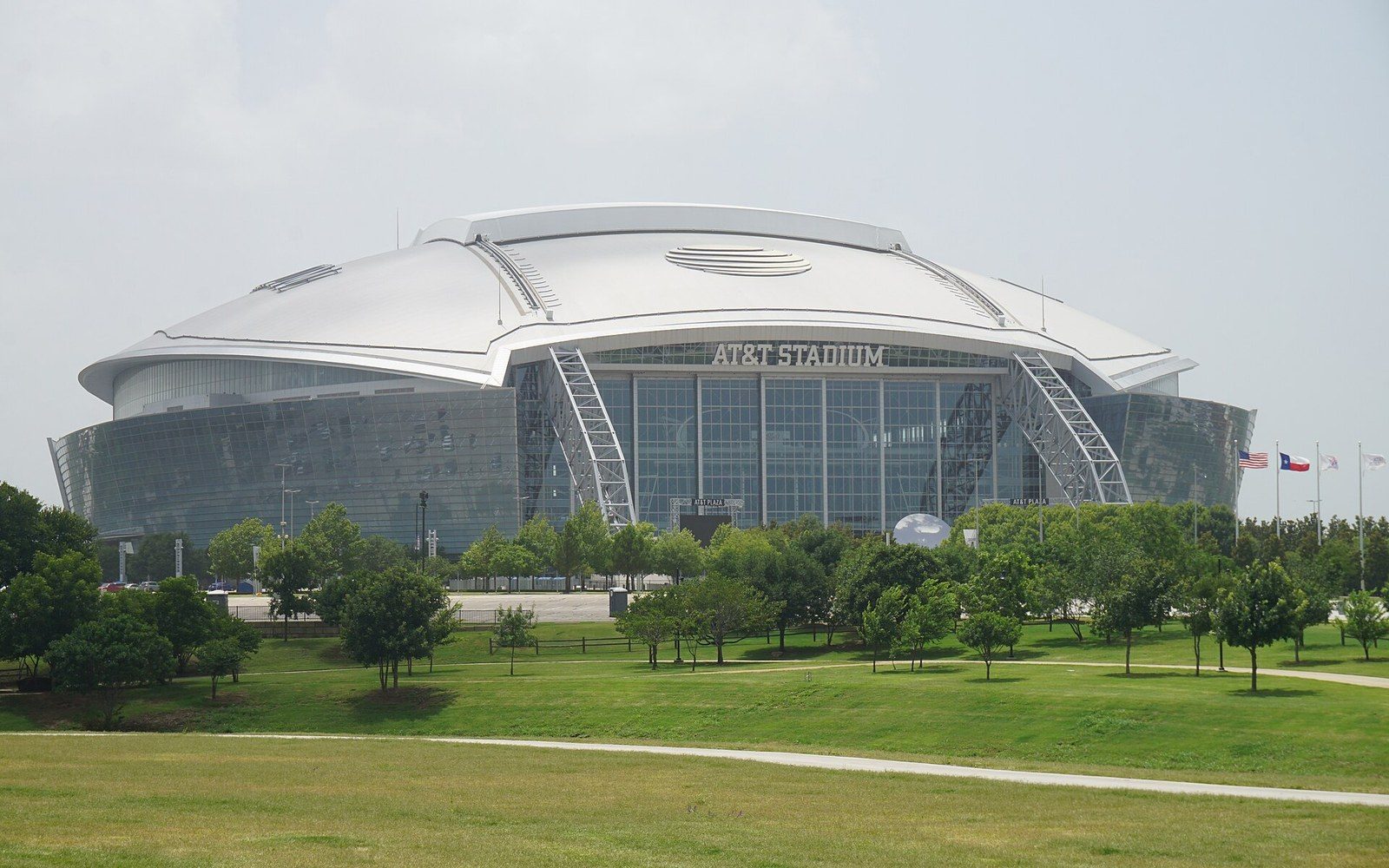
Friday lighting is district infrastructure in West Texas, maintained out of a school budget. Texas high-school football is broadcast property, bought and sold as such.
Photo: Radik 2707 / Pexels · Photo: Arlington June 2020 4 (AT&T Stadium) · Wikimedia CommonsMcKinney ISD then opened its own stadium in McKinney, Texas, in 2018 at a reported cost of approximately $70 million, displacing Allen's facility as the costliest on record. The pattern — each opening superseding the previous benchmark — is what analysts and journalists had begun calling the 6A stadium arms race before McKinney broke ground.
What the Comparison Shows
Set side by side, the three opening-day figures — $5.6 million in 1982, $60 million in 2012, $70 million in 2018 — describe a curve that inflation alone cannot explain. Ratliff was an expression of community identity at a moment of oil-boom confidence; Allen and McKinney were expressions of suburban district competition in a state where UIL championship ambition is built into school-board politics. The cost-per-seat calculation at each opening moves in the same direction as the total. Seat counts stayed roughly comparable; the money went elsewhere in the building. The reported figures, taken at face value, make the arms-race argument without requiring any additional framing.