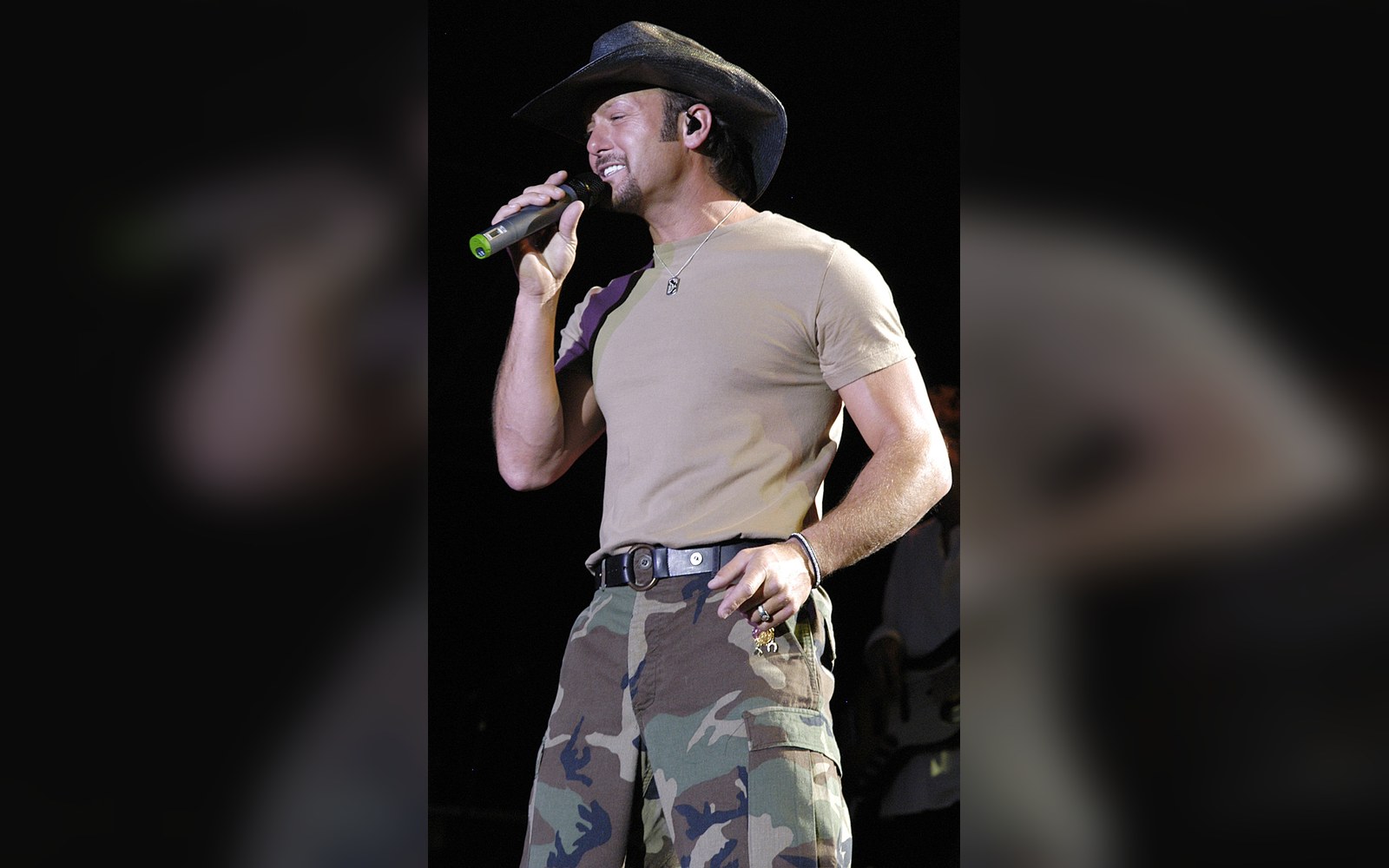
McGraw Took the Part Nobody Expected Him to Take
A country star in the worst seat in the house
Tim McGraw had sold tens of millions of records before Peter Berg called, but nothing in his discography prepared audiences for Charles Billingsley — the bitter former Permian fullback who spends most of Friday Night Lights pressing his teenage son to become the athlete he never was. It was, by any measure, the film's most uncomfortable role: a man defined by a faded high-school glory that Odessa, Texas, never let him outgrow.
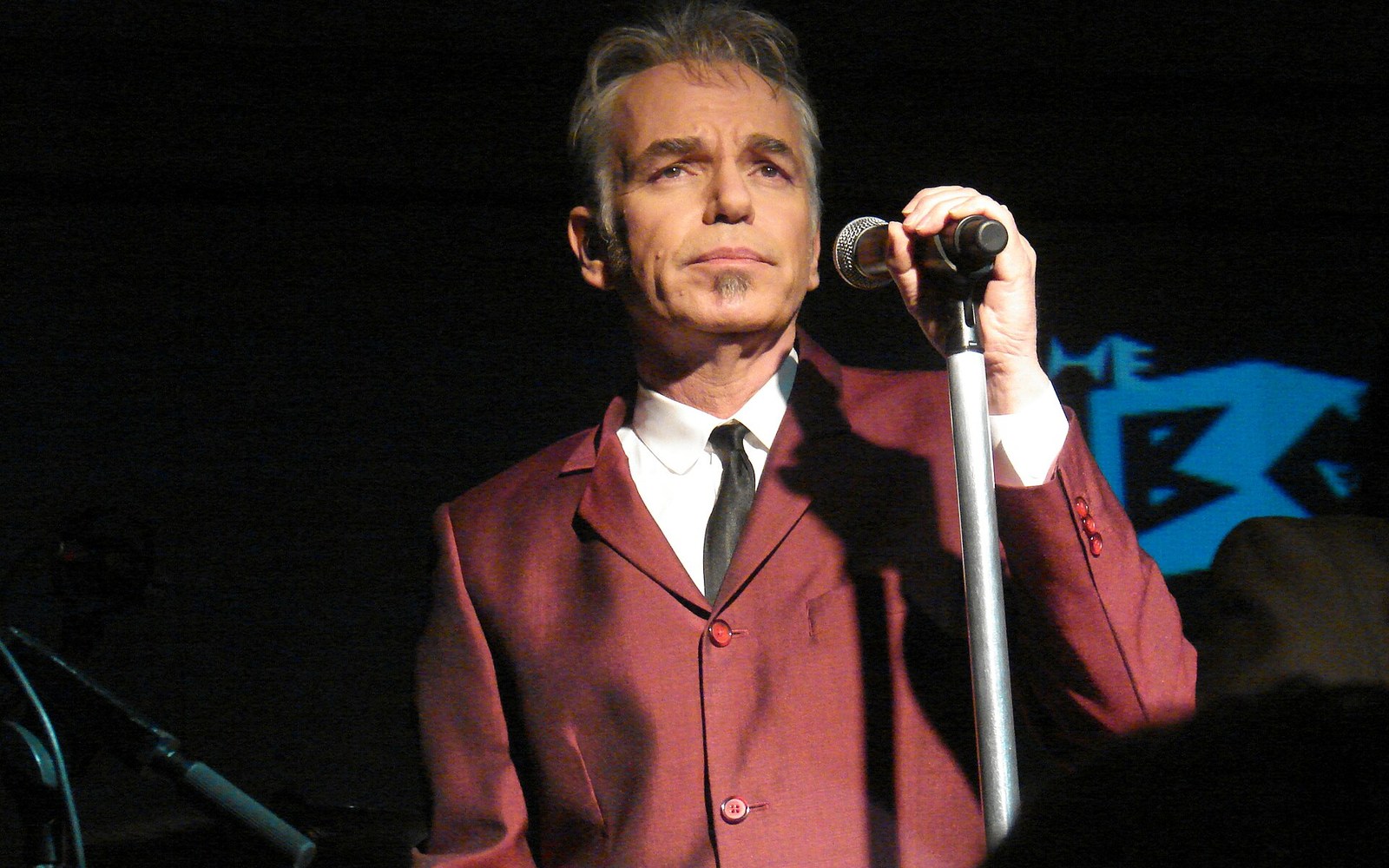
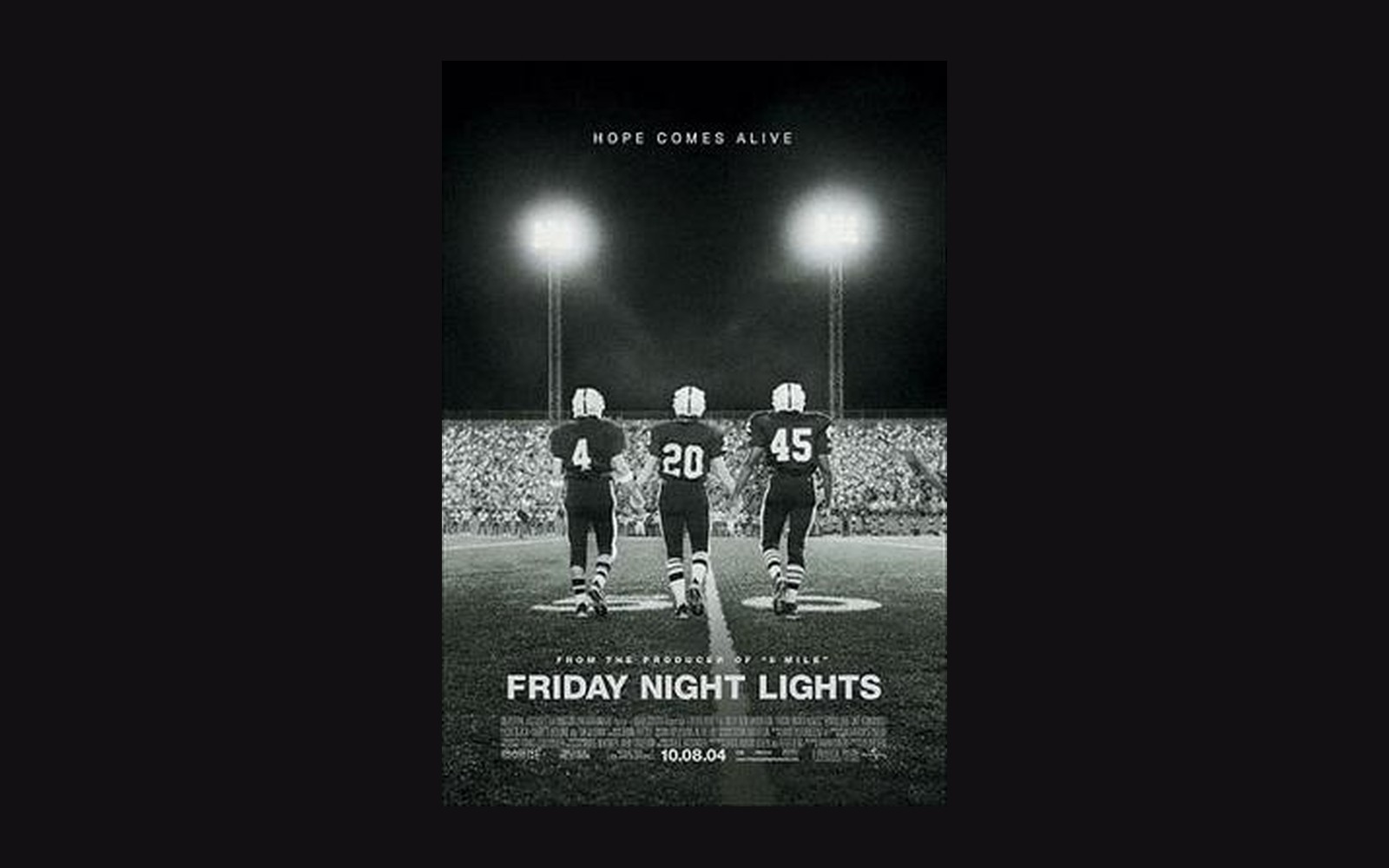
Thornton took the part of a coach written around restraint. Universal's one-sheet carried the release date and the numbers on three jerseys; the town is not named on it.
Photo: Billy Bob Thornton 2008 (2) · Wikimedia Commons · Photo: Friday Night Lights (film) · Wikimedia CommonsBerg's casting logic was counterintuitive and, in hindsight, exact. McGraw's fame was the point. Country music audiences had strong associations with him — stadium tours, crossover pop charts, an affability that translated well on television. Casting him as a man who corners his son against a car and screams at him about playing time detonated those associations on impact. The discomfort a viewer felt watching Billingsley was partly the cognitive whiplash of the persona being stripped away.
McGraw was not, by 2004, an unknown quantity as an actor — he had a small role in The Rookie (2002) — but Friday Night Lights was the first time he carried a supporting role with genuine dramatic weight. He plays Billingsley not as a cartoon villain but as a man who has genuinely never been given the tools to understand what he is doing to his son. The scenes between him and Garrett Hedlund, who plays fullback Don Billingsley, work because McGraw refuses to indicate the character's wrongness. He plays the belief, not the cruelty.
Reviewers noticed. Writing in the period around the October 2004 release, critics consistently singled out McGraw's performance as one of the film's keener surprises. The praise tracked a familiar pattern — a musician crossing into drama and finding footing — but it was specific enough that it went beyond novelty. Roger Ebert's assessment and other contemporary notices pointed to the restraint of the performance rather than the casting hook.
The role also served the film's larger argument. H. G. Bissinger's 1990 book documented how Odessa's oil-patch economy and booster culture produced men whose identities were hostage to a sport they had played for four years at most. Billingsley is that thesis in a single body. McGraw's version of the character is the film's most direct dramatisation of what it actually costs a community to make high-school football its civic religion — not in dollar figures, but in the psychic damage passed from one generation to the next.
McGraw received no major awards attention for the performance, but the role established a template he continued: the rough-edged, morally compromised Southerner who is more legible for being played by someone audiences thought they already knew.