
The civic rupture that followed Friday Night Lights into print
When Friday Night Lights appeared in August 1990, H. G. Bissinger had spent a full season embedded in the Permian Panthers program — attending practices, traveling with the team, sitting inside the program's internal machinery. What Odessa received in return was a portrait of a city that spent lavishly on football while its schools underfunded academic departments, that organized its racial hierarchies partly around athletic utility, and that measured its collective dignity by whether seventeen-year-olds won on Friday nights. The town recognized itself and, by substantial consensus, did not approve.
The response was neither a single organized protest nor a coherent civic statement. It arrived in pieces: letters to the Odessa American, remarks from school board members, public condemnations from boosters and coaches, and a social atmosphere that Bissinger subsequently described as hostile enough that he did not return to Odessa for years. The Dallas Morning News and other Texas papers covered the controversy as a regional story — a Philadelphia journalist had come to West Texas, used the access the community granted him, and delivered a verdict the community considered a betrayal.
What the complaints actually said
The objections fell into recognizable categories. Many residents disputed the book's tone, arguing that Bissinger had arrived with a verdict already written and selected evidence to support it. Coaches and administrators challenged specific characterizations. Some readers accepted that the football program commanded extraordinary resources but denied that this constituted neglect of academics; others disputed the racial framing outright, rejecting what Bissinger documented about race and the Permian program as selective or unfair.
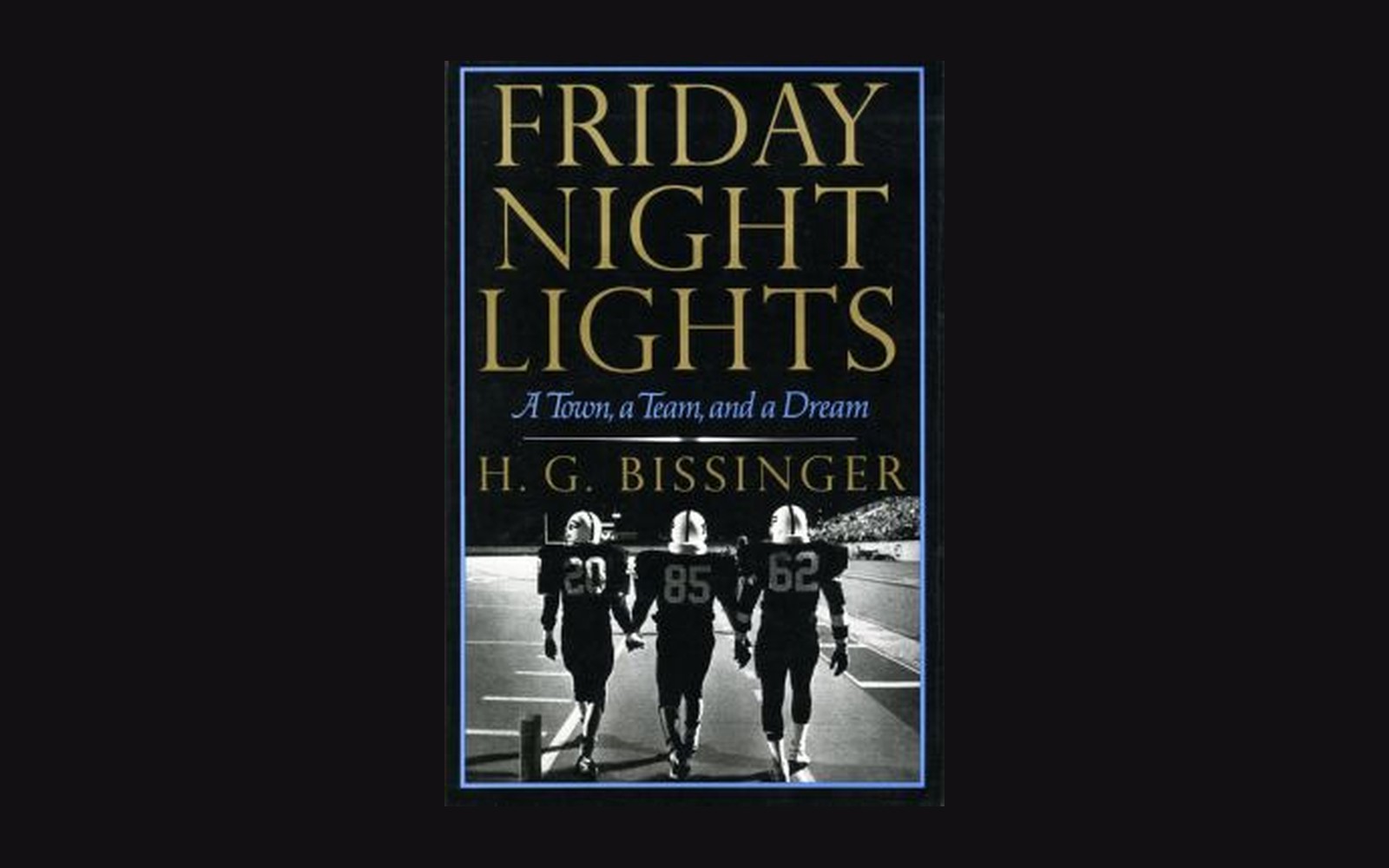
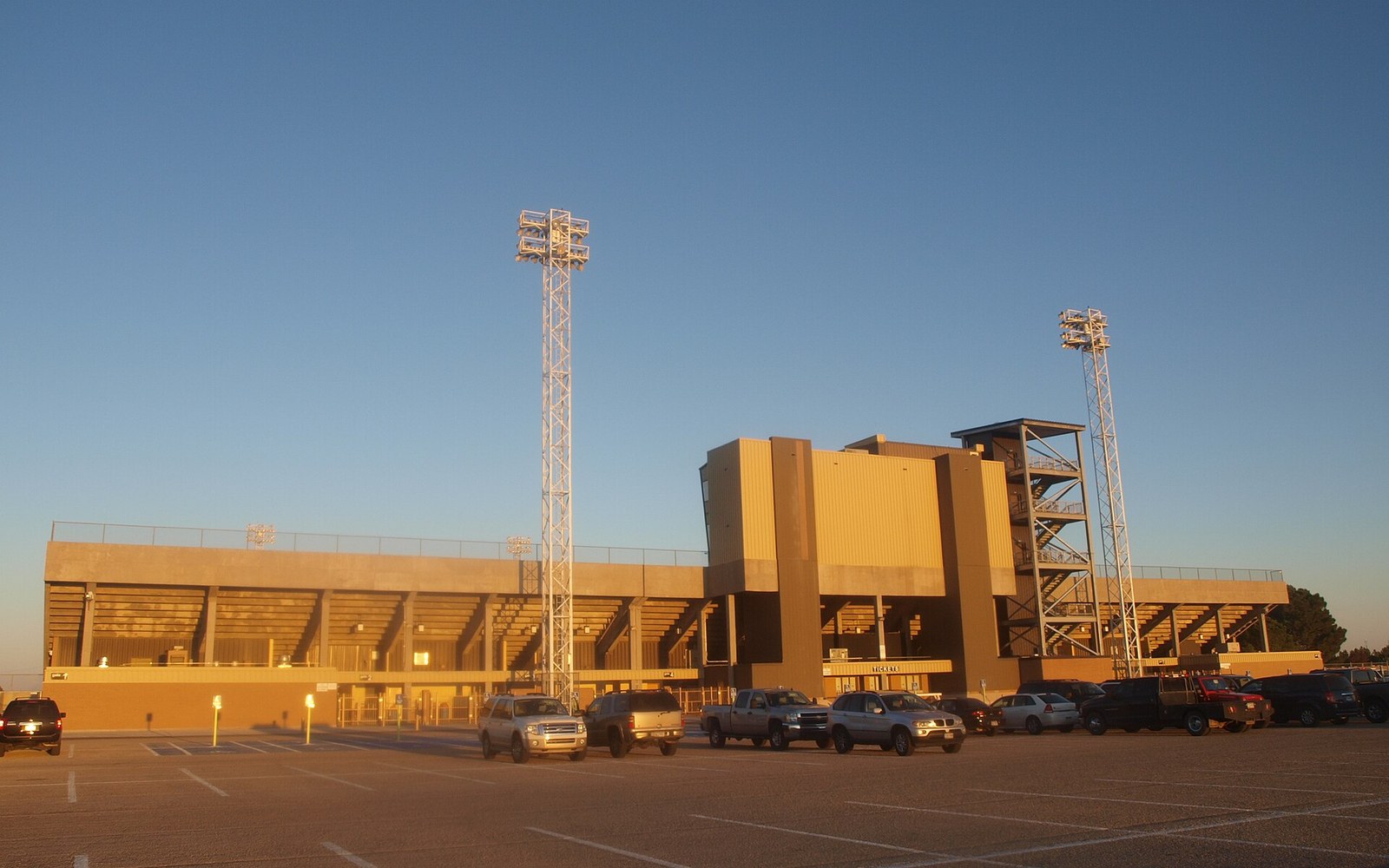
Addison-Wesley published the book in 1990, two years after the season it reports. Ratliff Stadium seats 19,302 — roughly a fifth of the city Odessa was at the 1980 census.
Photo: Friday Night Lights: A Town, a Team, and a Dream · Wikimedia Commons · Photo: Ratliff stadium · Wikimedia CommonsGary Gaines, the head coach whose 1988 season is the book's spine, was publicly identified with a portrait he had not authorized and could not revise. Bissinger had reported Gaines with a degree of sympathy — the coach appears as a man trapped inside expectations he did not entirely create — but the institutional criticism surrounding Gaines made the distinction difficult for Odessa readers to absorb. The program's boosters, whose financial and social investment in Permian football Bissinger examined with particular care, had the most to lose from the book's thesis and said so.
The charge of exploitation surfaced repeatedly and has never fully disappeared. Bissinger had negotiated access on terms that gave him a season inside the program, and nothing in that arrangement had obligated him to flattery. But for a community accustomed to receiving outside attention only in the form of sports coverage, the book's documentary ambitions — its attention to school budgets, racial demographics, the oil-patch economy's distortions of civic priority — felt like surveillance rather than journalism.
The book's standing against the local reaction
What the Odessa reaction could not accomplish was suppression. Friday Night Lights received a National Book Critics Circle nomination and accumulated the kind of institutional praise that insulated it from provincial objections. Sports Illustrated ranked it among the finest works of American sports writing. The literary world's reception was essentially the inverse of Odessa's: the same qualities that the community read as prosecutorial — the sustained attention to race, class, and civic failure alongside football — were precisely what critics admired.
The gap between those two readings is itself part of the book's history. Bissinger had written, by any external measure, a significant work of American nonfiction. The people it depicted had not chosen to become subjects of that work in any meaningful sense, even if they had accepted a reporter's presence for a season. That tension — between the legitimacy of the journalism and the legitimate grievance of the community — is not resolved by the book's literary prizes, and Bissinger's own account of what he returned to find in subsequent years suggests he understood that.
Odessa's objections were real, rooted in genuine hurt, and in some instances factually grounded. They were also, in the long view, incapable of rewriting what the reporting had documented. The book has remained continuously in print. The town it described has continued to live inside the argument Friday Night Lights started — an argument about what a community owes its children, and what it decides, instead, to owe a football program.