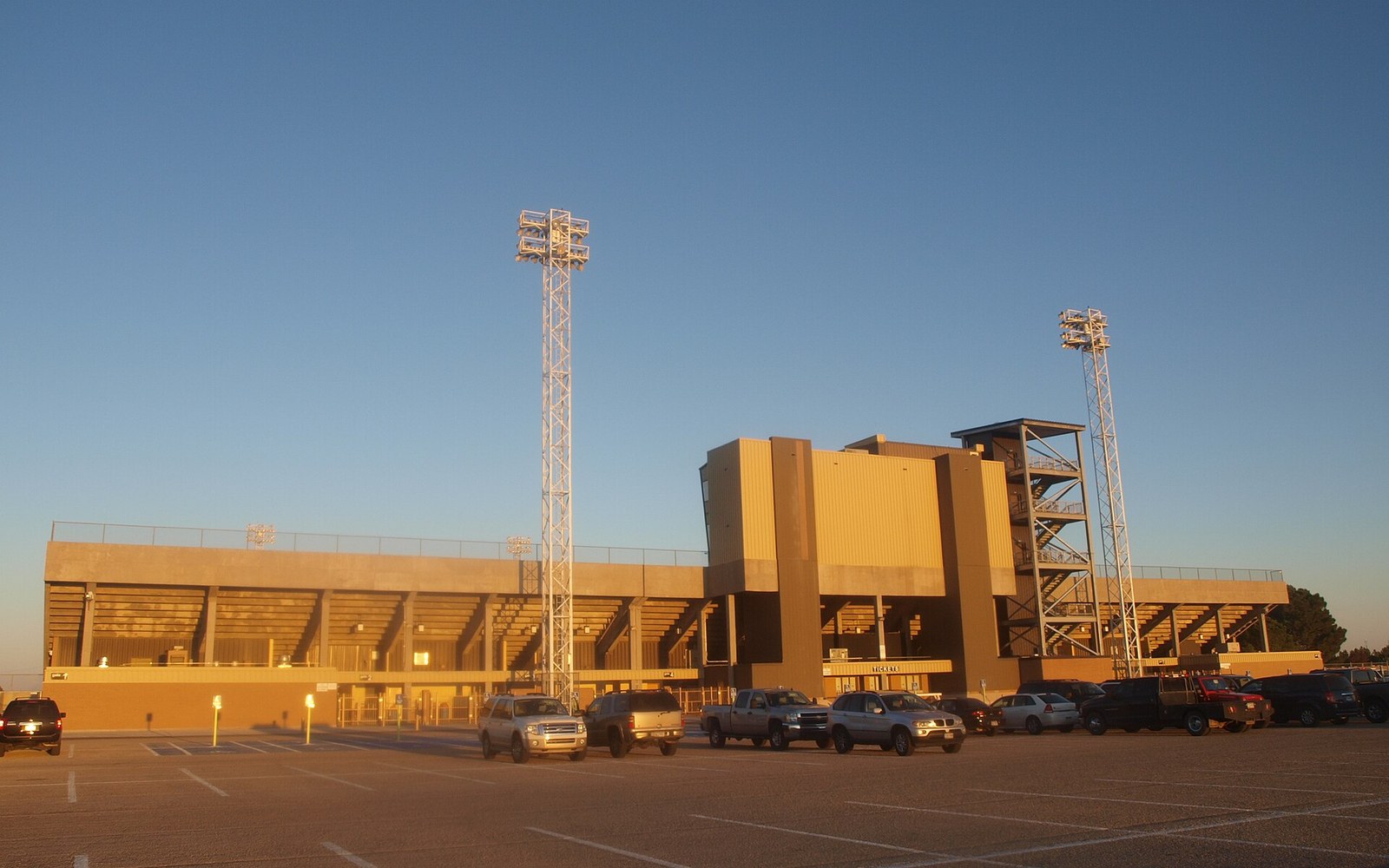
Bissinger Returns to His Own Verdict
When H. G. Bissinger wrote the afterword for the twenty-fifth-anniversary edition of Friday Night Lights, published in 2015 by Da Capo Press, he was not revising a book. He was reckoning with what it had cost to write one.
The original 1990 text had drawn a precise and damaging portrait of Odessa, Texas — a community that had subordinated education, racial equity, and individual welfare to the fortunes of the Permian Panthers football program. That argument had not softened with time. Bissinger reaffirmed the core diagnosis: the culture he witnessed during the 1988 season remained structurally intact across Texas, and the 6A stadium arms race that produced Allen ISD's $60 million facility in 2012 and other districts' similarly costly stadiums struck him as direct proof that nothing fundamental had changed in the quarter century since publication.
What the afterword added, specifically, was a human accounting. Bissinger tracked what had become of the players, the coaches, and the town, and the results were mixed in the way real lives always are — not neatly tragic, not comfortably redemptive.
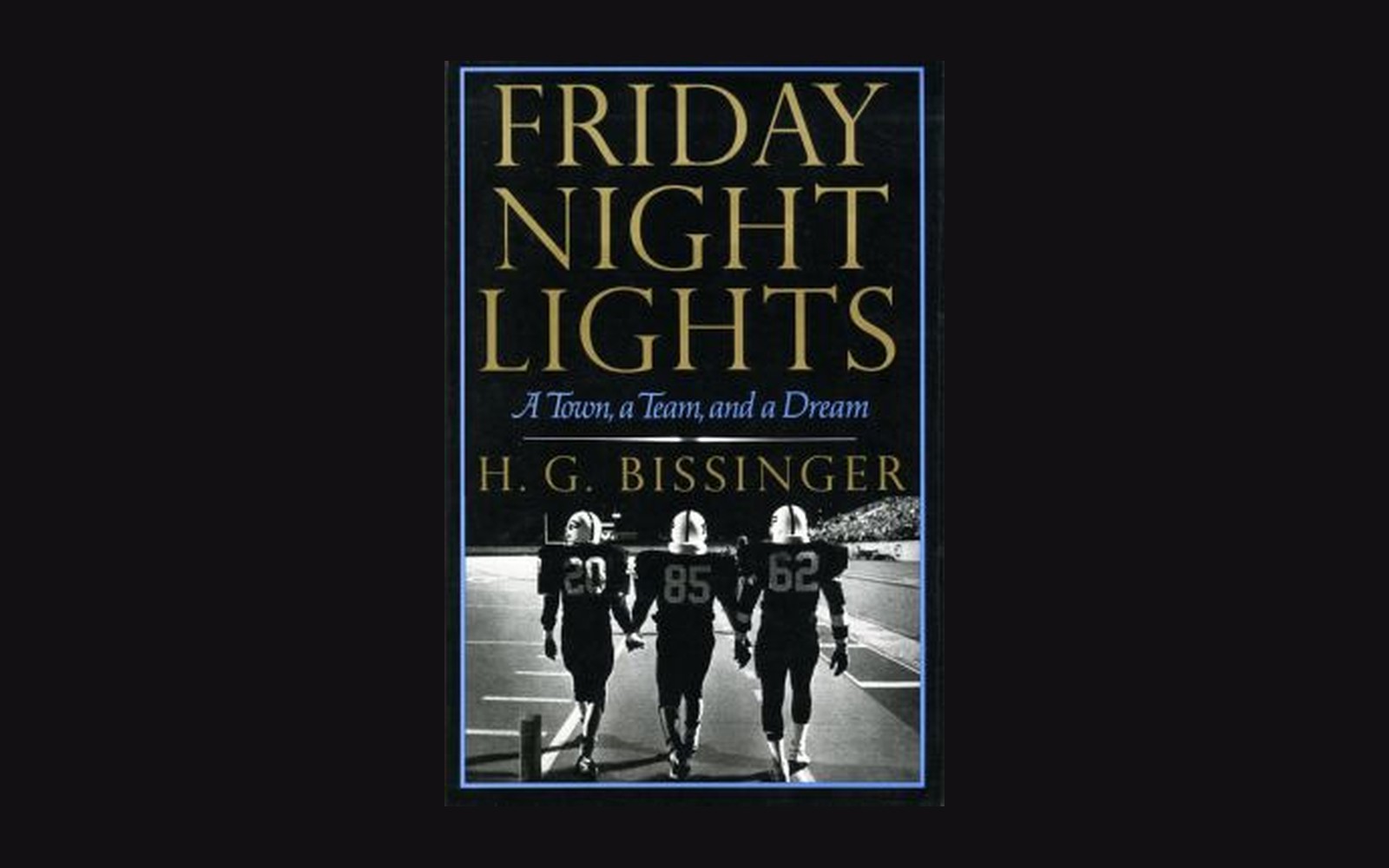

Addison-Wesley published the book in 1990, two years after the season it reports. The response was civic before it was literary, and the Texas press carried both halves.
Photo: Friday Night Lights: A Town, a Team, and a Dream · Wikimedia Commons · Photo: John Robertson / PexelsThe People, Twenty-Five Years On
Gary Gaines, the head coach whose quiet dignity and impossible pressure formed the emotional spine of the book, had continued coaching after leaving Permian, working at the high-school and junior-college levels. Bissinger described their relationship as having remained complicated; the book had not ruined Gaines, but it had not made his life simpler either.
James "Boobie" Miles — whose catastrophic knee injury in the 1988 preseason made him the book's most piercing figure, a player who had nothing left once football was taken from him — remained in difficult circumstances. Bissinger had followed Miles across the years, and the afterword recorded no Hollywood reversal. Miles had struggled. The point, which Bissinger pressed again, was exactly the one the original book had made: when communities invest an eighteen-year-old's entire identity in athletic performance, the cost of injury or failure falls entirely on the young man, not on the culture that created the expectation. Derek Luke's portrayal of Miles in Peter Berg's 2004 film had brought wider attention to that story, but attention had not translated into rescue.
Bissinger also wrote about the reception the book had received in Odessa — the anger, the threats, the years of public hostility — and acknowledged that some of that hostility had, over time, converted into a grudging civic pride in the book's fame. Odessa had made peace with Friday Night Lights partly because the book, the film, and the NBC/DirecTV series together had made the city internationally recognizable. That recognition carried its own ambivalence: a town famous primarily for being a cautionary tale about American priorities.
What He Revised and What He Did Not
Bissinger used the afterword to concede specific interpretive limits. He acknowledged that several Permian players had gone on to stable, productive lives — evidence that his portrait of the program's human cost was accurate in the aggregate without being universally predictive. He also showed greater sympathy for the coaches than the original text sometimes afforded, men who were themselves trapped inside a system they had not invented and could not individually escape.
What he did not revise was the book's political argument. The oil-patch economy that had driven Odessa's boom-and-bust cycles remained volatile. School funding in Texas continued to track local property wealth, meaning districts in resource-rich areas could still spend at levels that distorted any reasonable educational priority. The University Interscholastic League's classification structure — the architecture that made state-championship pursuit the organizing ambition of Texas school culture — continued unchanged in its fundamental logic.
The afterword is finally less a revision than a confirmation, arrived at through grief rather than vindication. Bissinger had cared about the people he wrote about in 1988, and he still cared in 2015, and the caring had not made things easier for any of them, including him. That combination of continued critique and personal accountability is what the twenty-fifth-anniversary edition added to the record that the original book, however complete, could not supply by itself.