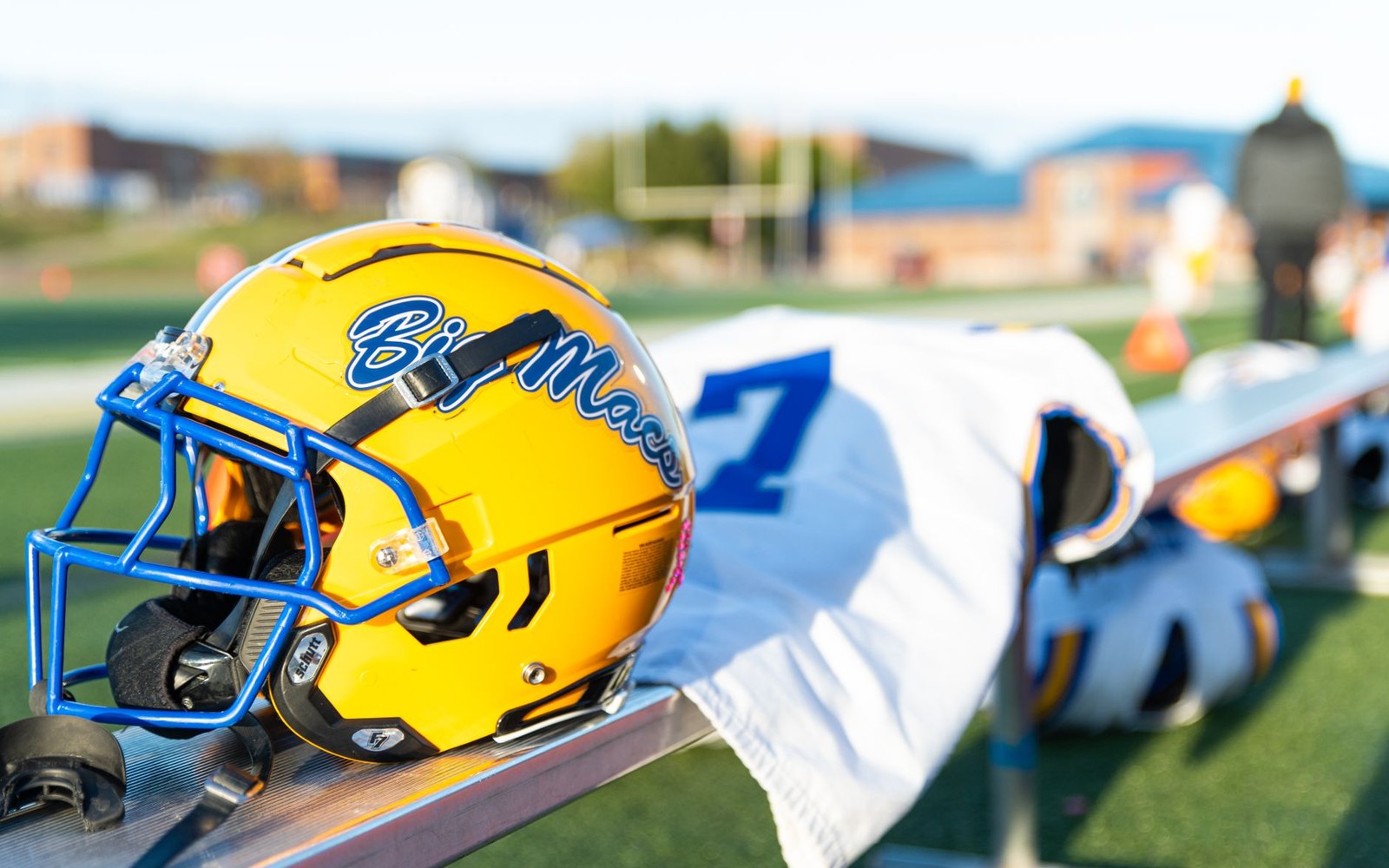
The Figure at the Book's Center
James "Boobie" Miles enters Friday Night Lights as the Permian Panthers' most electric talent — a running back whose reputation preceded the 1988 season so thoroughly that H. G. Bissinger devoted more sustained attention to him than to any other player. In the book's opening movement, Miles is the program's expected engine, a prospect whose athleticism had generated genuine college recruiting interest. Then, in a preseason scrimmage, he tears his knee. That injury — and what it strips from him — becomes the book's sharpest argument about what West Texas football costs the people it uses.
Bissinger's account is clinical about the medical facts and unsentimental about the aftermath. Miles attempts a comeback during the regular season, plays through pain, and is ultimately unable to reclaim his form. By the time Permian reaches the state playoffs, he is watching from the sideline. His uncle and guardian, L.V. Miles, is a sustained presence in Bissinger's reporting — a man who had invested considerable hope in his nephew's athletic future, and who registers the injury as something close to a family catastrophe. The book does not editorialize about that; it documents it.
What Bissinger also documented, and what made Friday Night Lights controversial on publication in 1990, was the academic infrastructure — or its absence — surrounding a player of Miles's profile. The reaction in Odessa to those passages was fierce. The book argued, through the specific texture of Miles's experience, that the program's incentive structure served football first and students when convenient. Miles himself, Bissinger reported, was functionally unprepared for college coursework by the time his playing career ended.
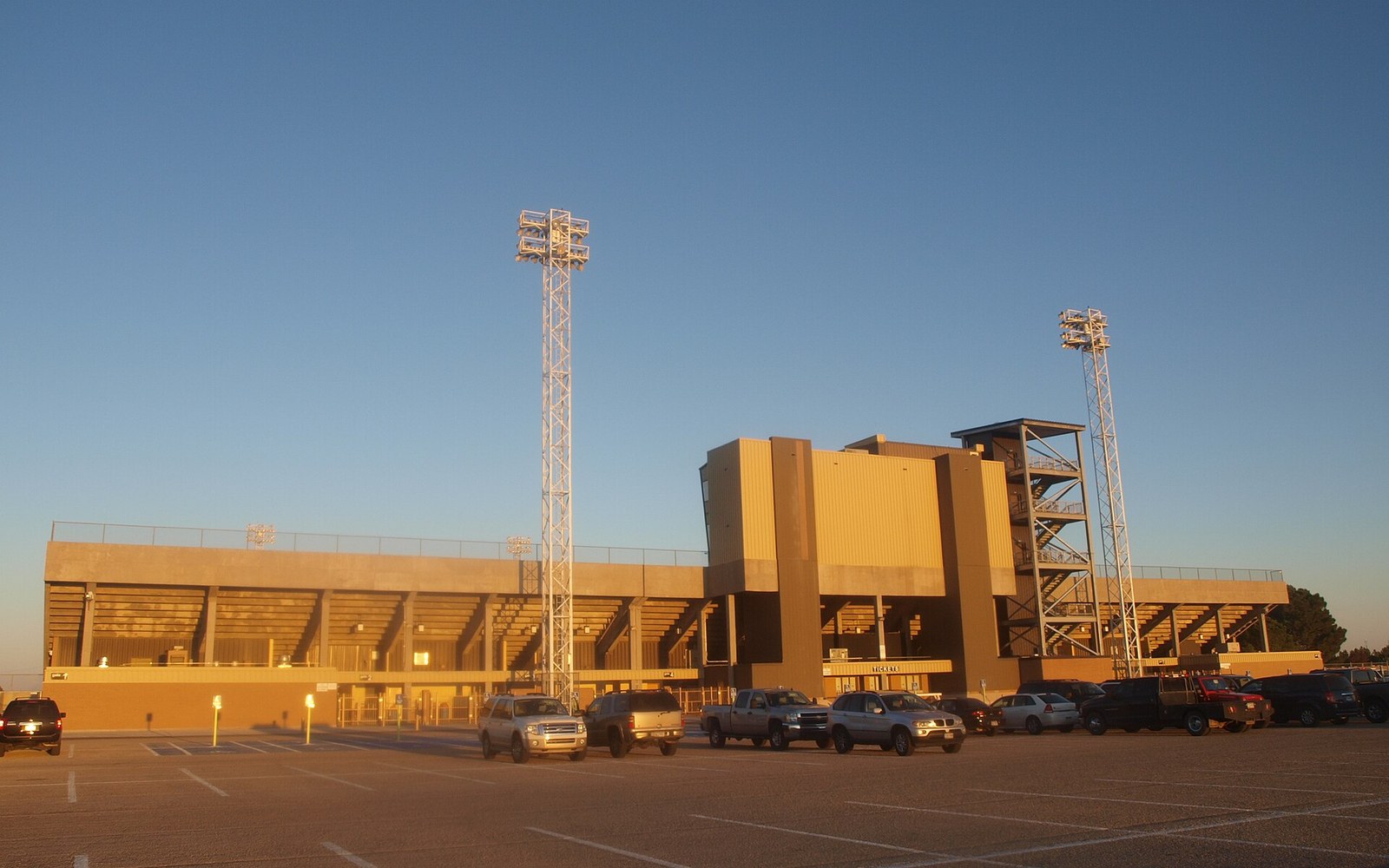

Ratliff Stadium seats 19,302 — roughly a fifth of the city Odessa was at the 1980 census. The district's income has followed the Permian Basin since before the stadium was built.
Photo: Ratliff stadium · Wikimedia Commons · Photo: jayjay13 / PexelsDerek Luke and the Film's Interpretation
Peter Berg's 2004 film adaptation cast Derek Luke as Boobie Miles, and the performance became one of the most discussed elements of the picture. Luke plays the early sections with a physical confidence that makes the injury's arrival genuinely deflating — the character's bravado is not presented as a flaw to be corrected but as the reasonable posture of a teenager who has been told, repeatedly, that he is exceptional. When the knee goes, Luke carries the subsequent scenes in a lower register, and the film is careful not to tip into sentiment.
The casting itself was notable. Luke had received significant attention for his debut in Antwone Fisher (2002), and Berg's choice gave the role a performer capable of conveying both the character's charisma and his bewilderment. The film's Miles is not reduced to a symbol of exploitation; he is a specific young man processing a specific loss.
What Subsequent Journalism Added
After the book's publication, Miles's story attracted periodic journalistic follow-up. Reporters from several outlets located him in the years after 1990 and published accounts of his adult life and circumstances. Those pieces, taken together, form a record that is melancholy in outline but that Miles has, on the occasions he has spoken publicly, narrated in his own terms rather than the book's. He has given interviews in which he discussed the injury, the book's portrayal, and his own perspective on the Permian years — a perspective that is not always congruent with Bissinger's.
The book itself acknowledges, in the reporting Bissinger conducted during his embedded 1988 season, that Miles was aware of the author's presence and the project's purpose. That awareness does not resolve the ethical questions the book raises about writing at length about a teenager in a moment of private crisis; it simply establishes that the access was not covert.
What the published record shows, across all three works, is a figure who was asked to carry enormous institutional expectation, lost the athletic capacity that generated it before his senior year was properly underway, and has since lived in the long shadow of a story that was told — with skill, with consequences — by someone else.